
Pseudotaxiphyllum elegans
Pseudotaxiphyllum elegans
Description
Growing requirements
Pseudotaxiphyllum elegans is a perennial moss species belonging to the Hypnaceae family. It is widely recognized for its delicate, flattened appearance and its ability to thrive in shaded, cool, and humid forest environments across the Northern Hemisphere.
In its native range, this moss is typically found on decaying wood, acidic soil, or moist rocky crevices. It acts as an indicator of stable forest microclimates, where humidity levels remain relatively consistent throughout the growing season.
The cultivation of this species requires a specific microenvironment. It performs best in conditions of indirect, filtered light. Direct sun exposure must be avoided at all costs, as it rapidly desiccates the moss and inhibits its growth.
Optimal moisture management is the cornerstone of its care. The substrate must be kept consistently damp but never waterlogged, as excessive water saturation often leads to the degradation of the rhizoids and subsequent tissue decay.
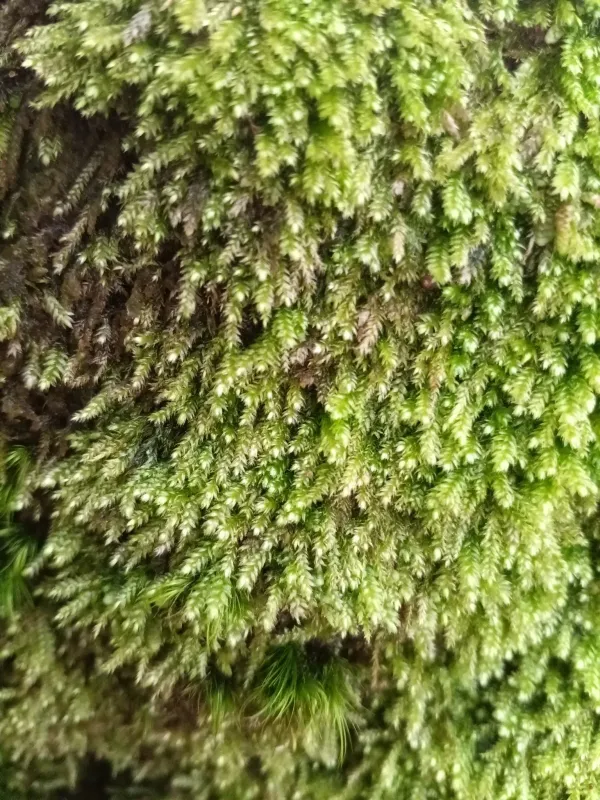
Botanically, the plant forms dense, shiny mats. Its leaves are ovate-lanceolate and arranged in a flattened manner along the stems, providing the characteristic elegant look that gives the species its name.
Main diseases and pests
The primary threat to the health of this moss is fungal infection triggered by poor air circulation and excessive dampness. Symptoms include dark, mushy patches on the moss carpet which can spread rapidly if left untreated.
Environmental sensitivity makes this species prone to damage from air pollutants. Being a bryophyte, it lacks a protective cuticle, making it highly susceptible to absorption of toxic compounds from the surrounding atmosphere.
Minor pests such as mites and springtails may occasionally feed on the moss tissues. While generally not fatal to a healthy colony, their presence in large numbers can cause visible damage and stress the plant.
Competition from more aggressive, fast-growing moss species or vascular weeds can pose a threat in mixed-culture environments. Regular monitoring and weeding are essential to ensure the survival of the Pseudotaxiphyllum mat.
Abiotic factors, such as sudden temperature spikes or periods of extreme drought, are significant threats. Even temporary drying out can cause the moss to enter a state of severe physiological stress, leading to long-term decline.