
Josephinia eugeniae
Josephinia eugeniae
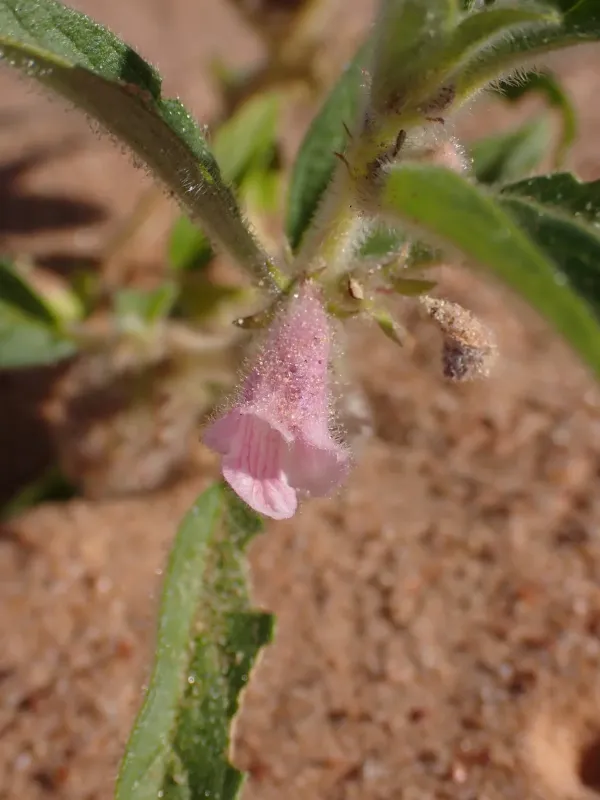
Description
Sowing dates
Josephinia eugeniae belongs to the Pedaliaceae family and is recognized as a potential crop for regions with hot tropical and subtropical climates. Sowing typically coincides with the beginning of the rainy season, ensuring adequate moisture for successful germination.
The seeds require well-warmed soil for optimal growth; temperatures below 20–22 degrees Celsius often result in delayed sprouting and reduced field emergence. Proper thermal conditions are essential for establishing a robust crop stand right from the start.
The sowing depth is generally maintained between 2 to 4 centimeters, depending on the soil texture. Excessive planting depth can lead to seedling exhaustion, while shallow planting might risk insufficient moisture, making precision in sowing equipment critical.
Planting patterns should account for sufficient lighting for each individual plant. Row planting with spacing up to 50 centimeters is recommended to allow for mechanical weed control and to ensure that plants receive enough solar radiation for healthy development.
Preparation of the field involves deep plowing to improve soil aeration, as the crop is sensitive to soil compaction. Providing a loose, well-drained seedbed is a fundamental step in achieving uniform plant density and healthy root systems.
Growing requirements
This species demonstrates strong adaptation to drought conditions after the initial vegetative phase. However, during the early stages of development, consistent moisture is mandatory to support the rapid establishment of the root system.
Light sandy or sandy-loam soils with a neutral to slightly acidic pH are preferred. Heavy clay soils, which are prone to waterlogging, should be avoided as they pose a high risk of root rot and other fungal diseases affecting the crop.
As a light-loving plant, Josephinia eugeniae requires full exposure to sunlight throughout the day. Shading leads to excessive stem elongation, reduced tissue strength, and a significant decrease in potential seed production.
Proper mineral nutrition, particularly potassium fertilization, is vital for improving resilience to environmental stress. Nitrogen levels must be carefully managed to prevent overly lush vegetative growth at the expense of fruit and seed formation.
In its native range, the crop thrives in cycles of seasonal moisture, highlighting the importance of good drainage in agricultural settings. Avoiding erosion and ensuring water management are key to maintaining long-term field productivity.
Yield
The main economic value of Josephinia eugeniae lies in its seeds, which are rich in valuable oils. Yield potential depends heavily on maintaining optimal moisture and nutrient levels during the critical flowering and seed-setting phases.
Successful seed development requires moderate temperatures during the final stages of maturation. Consistent weather patterns during this period ensure the best possible biochemical composition of the oil extracted from the mature seeds.
Quantitative yield results depend on selecting the correct plant density per hectare. Experience indicates that optimal plant distribution is essential for maximizing the thousand-seed weight and overall productivity of the plantation.
Harvesting should be timed to coincide with the maturity of the seed capsules. Delaying the harvest can result in natural dehiscence, where capsules open and shed seeds on the field, leading to unnecessary crop losses.
Post-harvest processing involves immediate cleaning and drying to reach moisture levels conducive to storage. Rapid processing helps maintain oil quality and prevents degradation caused by high residual moisture or mold growth.
Main diseases and pests
Fungal diseases are the primary threat, especially in humid conditions that promote the decay of stems and roots. These pathogens can spread rapidly, causing wilting and significant losses if not managed through proper field hygiene and crop rotation.
Pests such as weevils and certain caterpillar species can damage generative organs, including young ovaries and seed capsules. Their activity can drastically reduce the quality and quantity of the final harvest, requiring targeted monitoring.
Preventive strategies include the implementation of a proper crop rotation system, avoiding consecutive plantings on the same plot. This disrupts the life cycle of soil-borne pathogens and keeps the field environment balanced for the crop.
Weed control is essential not only for resource competition but also because many weeds host pests and diseases. Mechanical cultivation in the inter-row spaces is a highly effective way to keep the crop healthy and productive.
Regular field scouting is critical to detect early signs of pest infestation or disease outbreaks. Early intervention, including the use of authorized chemical or biological controls, is key to protecting the yield and minimizing economic damage.
Harvesting
Harvesting Josephinia eugeniae requires careful management to ensure high yield recovery. The process begins when the seed moisture content drops to approximately 12–14%, indicating the physiological maturity of the seeds.
Mechanical harvesting is possible using adapted combines set for small-seed crops. The goal is to maximize the speed of collection while minimizing physical damage to the seeds, which is crucial for preserving oil quality during thrashing.
After threshing, seeds must be cleaned of plant debris and contaminants. Residual material from capsules can trap moisture and harbor fungi, so thorough cleaning is a mandatory step before the seeds are sent to storage facilities.
Storage should be conducted in well-ventilated silos or containers with low humidity. Proper conditions ensure that the seeds remain stable, preventing oxidation and preserving their nutritional characteristics for the processing industry.
Logistical planning for harvest ensures that the product is moved quickly from the field to the storage or processing site. Minimizing the time between harvesting and final processing is the best way to guarantee a premium-quality oil product.