
Dicerocaryum zanguebarium
Dicerocaryum zanguebarium
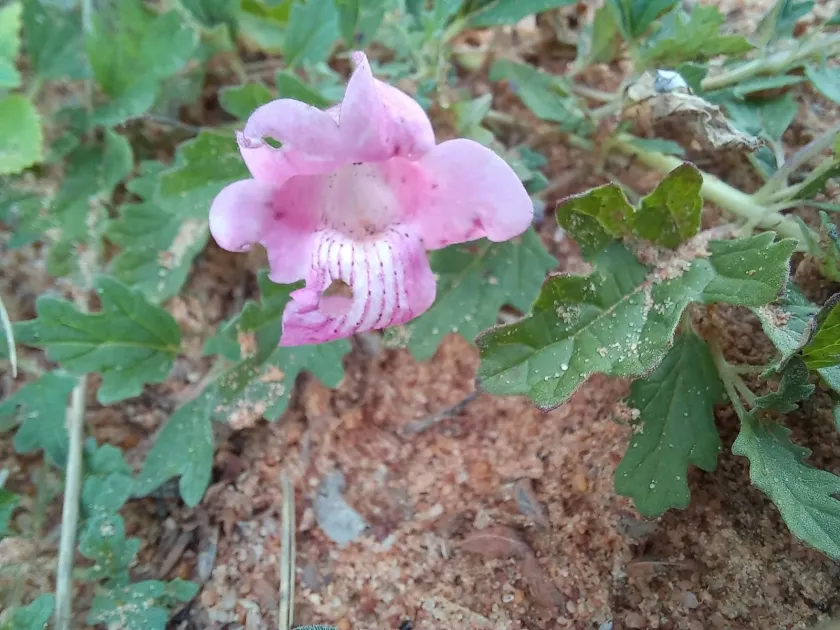
Description
Sowing dates
Dicerocaryum zanguebarium, a member of the Pedaliaceae family, is a resilient plant native to the arid regions of East and Southern Africa. Sowing usually begins with the onset of the rainy season to capitalize on soil moisture for germination.
The optimal planting window is generally between October and December. Ensuring the soil temperature is above +20°C is crucial for a uniform and rapid emergence of seedlings.
Seeds are sown at a shallow depth of 2–3 centimeters. In lighter sandy soils, slightly deeper planting is preferred to protect the germinating seed from surface heat.
The row spacing is typically maintained at 50–60 centimeters. Proper spacing is essential to reduce intra-species competition for light and nutrients in nutrient-poor desert soils.
Early maintenance involves weed control during the first four weeks, as the plant grows slowly during the initial establishment phase and is highly vulnerable to shading.
Growing requirements
This crop is exceptionally well-adapted to hot and dry environments. It thrives in soils that are often unsuitable for conventional cereal crops, particularly sandy and stony terrains.
The plant has a high requirement for solar radiation. It is a heliophyte that requires full exposure to sunlight throughout the day to ensure optimal photosynthetic efficiency.
Well-drained soil is the primary requirement for healthy growth. Waterlogging is the single greatest threat to the roots and should be strictly avoided in field planning.
Temperature management is straightforward, as the plant thrives in ranges between +25°C and +35°C. It is strictly a warm-weather plant and will show signs of physiological stress if temperatures drop below +15°C.
Nutrient requirements are modest. While the crop can tolerate low-fertility soils, nitrogen fertilization at a moderate level can help boost biomass production if rainfall is sufficient.
Yield
The main commercial value of Dicerocaryum zanguebarium lies in its oil-rich seeds. These seeds are a traditional source of vegetable oil in many African communities.
Apart from its oil, the mucilaginous properties of the leaves and stems are valued for medicinal and cosmetic applications, particularly for treating dermatological conditions.
Yield stability is strongly correlated with the rainfall pattern during the flowering and fruit-setting stages. Consistent moisture during these phases is vital for high output.
Harvesting is performed when the seed capsules mature and turn brown. Care must be taken to harvest before the capsules dehisce, which would lead to seed shedding on the ground.
Post-harvest processing involves sun-drying the capsules, followed by threshing to release the seeds. Cleanliness is paramount to prevent fungal growth during storage.
Main diseases and pests
Fungal pathogens represent the most significant risk, especially during periods of unseasonable high humidity. Root rots are common if the soil structure remains saturated.
Insect pests, including seed-boring beetles and aphids, can cause significant damage to the plant's reproductive organs and overall vigor.
Nematode infestation in sandy soils can reduce root health and nutrient uptake efficiency. Managing soil health is key to mitigating these underground threats.
Leaf-chewing insects can significantly reduce the leaf area, which indirectly impacts the plant's ability to fill the seeds during the maturation phase.
- Implementation of a 3-year crop rotation cycle.
- Sanitation of the field by removing crop residues after harvest.
- Use of biological control agents for pest management.