
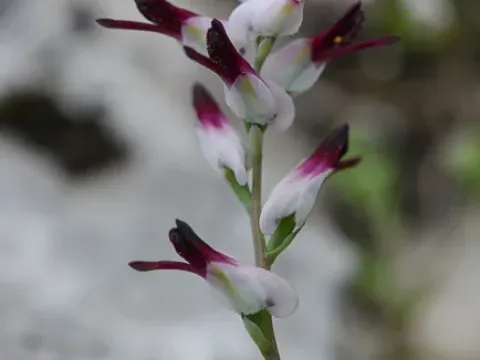
Fumaria macrosepala
Fumaria macrosepala
Fumaria macrosepala is an annual herbaceous plant belonging to the Papaveraceae family. In a cultivation context, the life cycle begins when seeds are sown in a well-prepared seedbed. The plant is naturally adapted to cool spring climates, making it ideal for early-season planting.
What the section contains
Fumaria macrosepala
For optimal results, seeds should be sown at a depth of 1 to 2 centimeters. Autumn sowing is highly recommended for regions with mild winters, as the seeds undergo natural stratification, leading to vigorous germination and uniform stand establishment once temperatures rise in early spring.
Row spacing should be managed to ensure adequate light penetration and air circulation. A distance of approximately 40–50 centimeters between rows allows for efficient weeding and mechanical maintenance, which is crucial during the early stages of development when the plant is most vulnerable to competition.
The plant demonstrates significant self-seeding capability. While this reduces the need for frequent re-sowing in specialized herb gardens, it requires careful monitoring to ensure that the density of the plants does not reach levels that hinder development or encourage the spread of diseases.
Thinning is an essential post-germination step if the sowing density is too high. Maintaining proper spacing ensures that each plant develops a robust root system and sufficient leaf area, which are essential for high-quality herbal production.
Fumaria macrosepala thrives in well-drained, sunny locations. It is naturally found on rocky, calcareous slopes, which indicates a preference for soils with good aeration and a neutral to slightly alkaline pH level. Soils that are prone to waterlogging should be avoided entirely.
Water requirements are moderate. While the plant possesses some degree of drought tolerance once established, consistent moisture during the vegetative phase is vital to maximize biomass. Excessive heat or prolonged drought during the flowering stage should be mitigated by supplemental irrigation.
Temperature management is key to successful cultivation. The plant performs best in temperate conditions; extreme heat can cause the plant to enter the reproductive phase prematurely, leading to reduced leafy biomass and diminished secondary metabolite production.
Fertility needs are relatively low compared to high-input cereal crops. A moderate application of compost or balanced mineral fertilizers before planting provides sufficient nutrients. Nitrogen should be managed carefully to avoid stimulating excessive succulent growth that may be susceptible to pests.
Light exposure is critical. Plants grown in shaded conditions will exhibit etiolation, characterized by weak, elongated stems and reduced efficacy of the plant's medicinal components. Therefore, ensuring full sun exposure is a non-negotiable requirement for productive farming.
Common phytopathological threats include root and crown rots, typically triggered by soil compaction or poor drainage. These conditions create a favorable environment for fungal pathogens, which can decimate a stand if not addressed through improved soil structure and management.
Aphid infestations are the most significant pest pressure for this crop. Aphids feed on tender new growth, causing leaf curling and potential transmission of viral pathogens. Regular scouting is required to detect early colonies before they reach damaging levels.
Powdery mildew can occur during periods of high humidity and poor air circulation. Symptoms appear as a white, powdery coating on the foliage, which impairs photosynthesis. Fungicidal interventions, if necessary, must be chosen carefully to maintain the safety standards required for medicinal plants.
Integrated pest management (IPM) practices, including the encouragement of natural predators like ladybugs and lacewings, are highly recommended. These practices minimize the need for chemical inputs and help preserve the ecological integrity of the planting site.
Crop rotation is a fundamental preventative measure. By rotating Fumaria with non-host crops, growers can break the lifecycle of specific soil-borne pathogens and pests, significantly improving the longevity and productivity of the fields.