
Fumaria gaillardotii
Fumaria gaillardotii
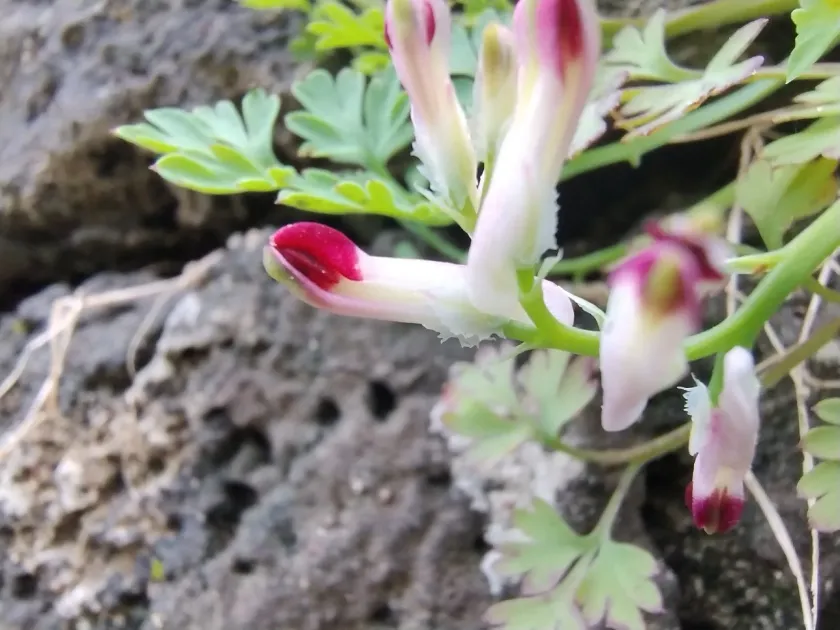
Description
Sowing dates
Fumaria gaillardotii is an annual herbaceous plant that begins its life cycle with seed germination in the early spring season.
Sowing typically occurs in March or April, depending on soil temperatures reaching the threshold required for seed dormancy breaking.
Successful establishment relies on consistent soil moisture and protection from sudden late-spring frosts during the seedling development phase.
In natural settings, the plant exhibits high reproductive success due to its prolific seed production and strong natural self-seeding capabilities.
For agricultural purposes, seeds should be sown at a shallow depth of approximately 1–2 centimeters to ensure adequate oxygen availability.
Growing requirements
As a member of the Papaveraceae family, this crop prefers well-drained, nutrient-rich soils with moderate organic matter content.
The plant shows significant adaptability to diverse climatic conditions, ranging from Mediterranean environments to more temperate regions.
While Fumaria gaillardotii thrives in full sun exposure, it is capable of developing effectively in partially shaded areas.
Standard agronomic practices include regular inter-row cultivation to ensure soil aeration and reduce competition from surrounding weeds.
Water requirements are moderate, but regular moisture during the rapid growth phase is essential for achieving optimal vegetative mass.
Main diseases and pests
The crop is susceptible to several pathogens, including powdery mildew, which can significantly damage leaves under high humidity conditions.
Pests such as aphids are frequently observed, causing stress to the plants by feeding on phloem sap and potentially spreading viral infections.
Root system health can be compromised by soil-borne fungal pathogens, especially in areas with poor drainage and excessive water retention.
Integrated pest management strategies should focus on preventive measures, including the use of balanced irrigation and biological control agents.
Strict crop rotation protocols help in reducing the primary inoculum of pathogens in the soil, which is vital for long-term farm health.
Harvesting
The primary economic use of this plant stems from its pharmacological properties, which are linked to specific alkaloid compounds.
Harvesting of the aerial parts is conducted during the peak flowering stage to maximize the concentration of these valuable bio-compounds.
The collected raw material must be dried efficiently in shaded, well-ventilated areas to prevent oxidative loss of the active components.
Dried botanical material remains potent for up to two years when stored in airtight containers away from direct light and moisture.
Proper post-harvest handling is critical to ensure the market quality and therapeutic efficacy of the final agricultural product.