
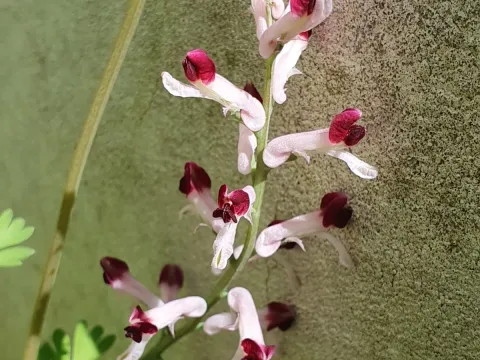
Fumaria barnolae
Fumaria barnolae
Fumaria barnolae is primarily a wild-growing species, meaning there are no specific industrial agricultural standards for its sowing. In the wild, it typically germinates after autumn or early spring rains.
What the section contains
Fumaria barnolae
For research or cultivation purposes, seeds are sown in late autumn or early spring directly into the soil. As the seeds often require stratification, autumn planting is generally preferred for optimal germination rates.
The seeds should be sown at a depth of 0.5 to 1 cm. Because they are quite small, they require adequate light and surface contact with the soil to ensure healthy sprout development.
The optimal soil temperature for germination ranges between +10 and +15 degrees Celsius. Extreme heat during the sowing period can induce a state of secondary dormancy in the seeds.
When planting in rows, a spacing of 20–25 cm is recommended. This spacing ensures proper airflow and light penetration, which are essential for the plant to thrive during its growth phase.
This plant belongs to the Papaveraceae family. Fumaria barnolae is an annual herbaceous species characterized by thin, flexible stems that often grow in a sprawling or ascending habit.
It prefers well-drained, calcareous, or neutral soils. The plant is highly sensitive to waterlogging, so heavy clay soils must be amended with grit or sand to improve drainage characteristics.
Native to parts of the Iberian Peninsula, this species favors sunny to partially shaded environments. While it demonstrates resilience against short drought spells, it does not tolerate heavy shade.
The plant thrives in soil with moderate fertility. Excessive nitrogen fertilization is discouraged, as it promotes vigorous vegetative growth at the expense of alkaloid production, which is the primary purpose of the crop.
Effective weed control is a critical requirement. The plant grows slowly in the early stages, making it vulnerable to competition from more aggressive, fast-growing herbaceous species.
The economic value of this crop is linked primarily to the pharmaceutical industry. Industrial yields are rarely measured, as harvesting often occurs on a smaller, controlled scale.
The harvest should take place during the peak flowering season. This is the stage when the concentration of medicinal alkaloids within the aerial parts of the plant is at its highest.
After harvesting, the plant matter must be dried quickly in a shaded, well-ventilated area. Rapid drying is essential to maintain the chemical integrity of the active components.
A typical yield of dried biomass can range between 200–300 grams per square meter, depending on local environmental conditions and the specific density of the plantation.
Seed production is usually robust in this species, allowing for easy collection and propagation for subsequent planting seasons, provided proper storage conditions are maintained.
Fungal infections, such as powdery mildew, are the most significant threats to Fumaria barnolae, especially in regions with high humidity or stagnant air circulation.
Aphids are the most common pests, often targeting the tender tips and flower buds of the plant. These pests suck the sap, which severely limits the plant's overall growth potential.
Root rot can occur if the soil remains excessively moist or if drainage is insufficient. This issue is particularly problematic during the early vegetative development stages.
Preventive measures include implementing crop rotation and ensuring that the plantation remains free from surrounding weed species that may harbor pests or pathogens.
Given the medicinal nature of the plant, the use of synthetic pesticides is generally avoided. Organic pest control methods are preferred to ensure the final product remains uncontaminated.
Harvesting is usually done by hand or with specialized mowers during the early flowering phase. It is vital to collect the material before the fruits are fully developed.
Harvesting must be performed on a dry, sunny day. Collecting the material when it is damp or covered in dew can cause rapid spoilage and degrade the quality of the raw material.
The harvested stems should be tied into loose bundles or spread thinly on drying racks. Continuous airflow is the key factor in achieving a uniform and high-quality dried product.
High-quality dried material should retain a natural green color. Any browning or discoloration suggests improper drying techniques or excessive moisture during the process.
Finished goods should be stored in breathable paper or fabric bags within a dark, cool, and dry environment to preserve the plant's bioactive properties over time.