
Fumaria kralikii
Fumaria kralikii
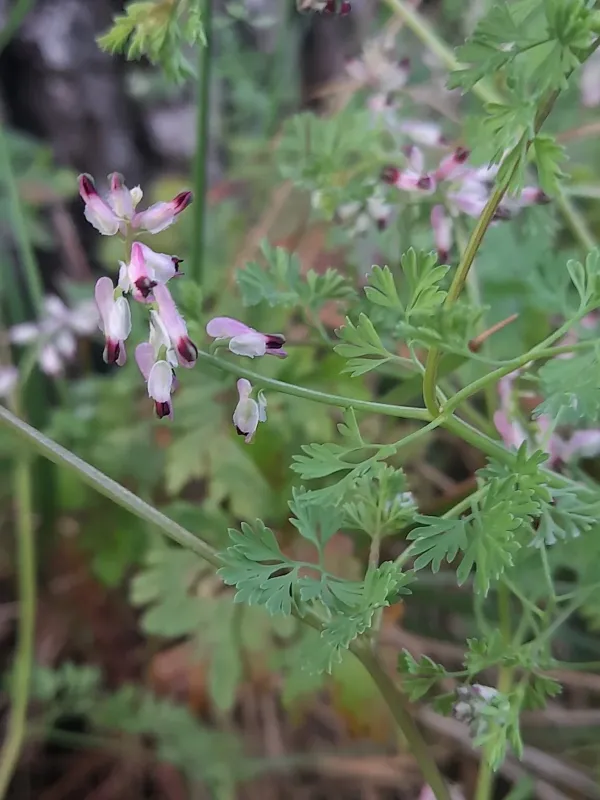
Description
Growing requirements
Fumaria kralikii is a plant species belonging to the Papaveraceae family. In agricultural settings, it is primarily identified as a weed that interferes with the development of crops by competing for sunlight, water, and essential nutrients in the soil.
The plant originates from temperate regions of Eurasia and is well-adapted to cultivated fields, meadows, and disturbed lands. It thrives in fertile, well-drained soils and demonstrates high adaptability to various climate conditions, particularly in fields with high nitrogen availability.
Botanically, this species is an annual herb characterized by a branched, often climbing stem and small, delicate, purplish-pink flowers. Its growth cycle is synchronized with many winter and spring crops, allowing it to emerge alongside them and establish dominance early in the season.
Environmental requirements for this weed are relatively broad. It prefers cool, moist springs for germination and continues to grow until the heat of midsummer. Its ability to produce numerous seeds ensures its persistence in the soil seed bank for several seasons.
There is no significant commercial use for this plant. As an invasive component in farming systems, it is managed as a pest that reduces crop yield and complicates harvesting procedures, necessitating consistent control measures throughout the growing season.
Main diseases and pests
The primary threat posed by Fumaria kralikii is the reduction of potential crop yield. By acting as a competitive weed, it saps resources that would otherwise be used by the crop, leading to stunted growth and reduced harvest quality.
The plant can act as a reservoir for various agricultural pests, including aphids. These insects feed on the weed and then spread to primary crops, facilitating the transmission of viral diseases that can cause widespread damage to plantations.
Control strategies involve mechanical weeding and the application of targeted herbicides. Early intervention is crucial, as the plant grows rapidly and can quickly smother younger crops if not addressed during the initial stages of development.
Proper crop rotation is a highly effective management strategy. Alternating crops with different planting schedules can disrupt the life cycle of the weed, preventing the buildup of its seed population in the upper soil layers.
Effective management requires ongoing monitoring and an integrated approach to pest control. Combining chemical treatments with sustainable agricultural practices helps maintain clean fields and reduces the long-term impact of this weed on total agricultural productivity.