
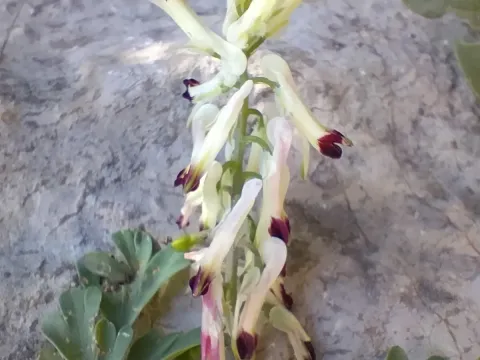
Fan-shaped fumitory
Fumaria flabellata
Fan-shaped fumitory (Fumaria flabellata) is a member of the Papaveraceae family. It is a distinctive herbaceous plant often studied for its botanical properties and potential use in pharmacological applications.
What the section contains
Fan-shaped fumitory
The plant thrives in well-drained, fertile soil. It requires a balanced moisture regime, as both drought and waterlogging can severely inhibit the normal development of its root system.
Optimal growth conditions involve exposure to full sunlight. While it can adapt to light shade, direct sun exposure during the vegetative phase significantly improves the accumulation of bioactive compounds.
Temperature requirements are generally moderate, characteristic of Mediterranean climates. Protecting the plant from late spring frosts is essential to ensure consistent vegetative growth.
Agronomic management includes maintaining optimal spacing to allow for proper airflow, which is critical for reducing humidity levels around the foliage and preventing early decay.
The crop is susceptible to various fungal pathogens, specifically powdery mildew and leaf spot diseases. These typically occur under high humidity conditions and poor ventilation.
Insect pests such as aphids and leaf-eating beetles are common threats. They can cause significant damage to the plant's structural integrity and overall vigor if left unmanaged.
Integrated pest management (IPM) strategies, including biological controls and targeted spraying, are recommended to protect the crop without compromising the quality of the raw material.
Crop rotation remains the most effective preventive measure against soil-borne pathogens. Alternating with non-related families prevents the accumulation of specific pests in the field.
Regular scouting of the fields is necessary to identify early signs of infestation, enabling prompt action and preventing the spread of diseases across the plantation.