
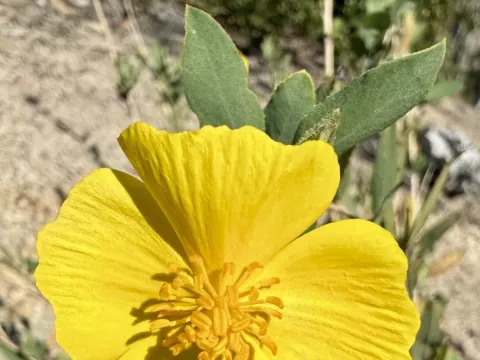
Dendromecon
Dendromecon
Sowing Dendromecon seeds is best performed in the autumn to allow for natural stratification, which significantly improves germination rates. Seeds have a tough coat that may require light scarification.
What the section contains


Dendromecon
If sowing in the spring, ensure that the threat of frost has passed and the soil has warmed up sufficiently. Seeds should be sown shallowly, barely covering them with a light, airy substrate.
Maintaining consistent moisture is critical during the initial germination phase, but the medium must never be waterlogged. Once the seedlings develop their true leaves, they can be carefully thinned.
Dendromecon plants are sensitive to root disturbance, so starting them in biodegradable pots is highly recommended to ensure a smooth transition when planting into the permanent site.
Successful establishment relies on providing a sunny, well-lit environment for the emerging seedlings. Gradual hardening off is essential before transferring them to the open landscape.
Dendromecon, a member of the Papaveraceae family, thrives in dry, sunny habitats consistent with the Californian climate. It requires full sun exposure for at least six to eight hours a day.
The ideal soil for this crop is lean, sandy, or rocky, providing excellent drainage. Heavy clay soils are unsuitable and will likely lead to root rot if not heavily amended with coarse materials.
The plant is drought-tolerant once established and does not require frequent irrigation. Overwatering is the most common cause of failure, especially during the dormant summer season.
It prefers a neutral to slightly acidic pH. Avoiding high-nitrogen fertilizers is crucial as they promote rapid, weak growth that makes the shrub susceptible to breakage and disease.
The plant demonstrates high adaptability to heat and light, but it should be protected from stagnant, humid air and excessive winter moisture to maintain its long-term health.
Root rot is the most significant threat to Dendromecon, often caused by poor soil structure and excessive irrigation. Ensuring impeccable drainage is the primary defense strategy.
Powdery mildew may occur in regions with high atmospheric humidity or poor airflow. Proper spacing between individual plants is necessary to allow for adequate ventilation of the canopy.
Aphids and spider mites are common pests that target young, succulent growth. Monitoring the underside of leaves during the spring flush is effective for early detection and intervention.
Slugs and snails can cause substantial damage to young plants in early spring. Barriers made of gravel or wood ash can provide effective protection for vulnerable juvenile specimens.
For chemical control, targeted use of insecticidal soaps or copper-based fungicides is recommended, ensuring that the application is conducted during cooler parts of the day.
Harvesting seeds involves collecting the capsules as they transition from green to a dark brown, woody texture. It is vital to monitor the pods closely as they may dehisce and scatter seeds quickly.
Collected capsules should be placed in paper bags to dry. This method catches any seeds that drop naturally as the pods open, minimizing the risk of losing valuable genetic material.
Deadheading spent flowers not only improves the visual appeal of the shrub but also redirects the plant's energy toward root development and woody stem thickening.
Seeds should be cleaned by removing chaff and debris, then stored in a cool, dry environment in airtight containers to maintain viability for the following growing season.
Handle all parts of the plant with care, as it contains latex, which can cause skin irritation or allergic reactions in sensitive individuals during the harvesting process.