
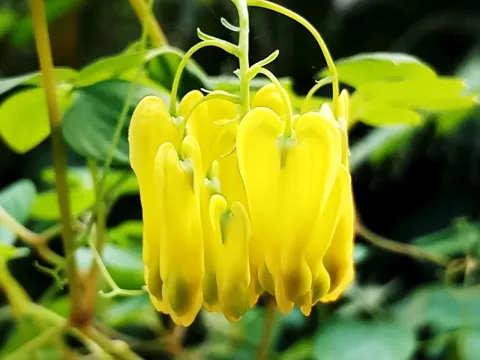
Dactylicapnos
Dactylicapnos Wall.
Sowing Dactylicapnos seeds is best done in the spring once the soil temperature reaches 15–18 degrees Celsius. For early seedlings, container cultivation in March is recommended, providing seeds with a stratification period to improve germination rates.
What the section contains

Dactylicapnos
When sowing directly in the open ground, choose spots protected from strong winds, as the young shoots of this vine are quite delicate. The optimal sowing depth is 0.5–1 centimeter, which promotes faster germination under adequate soil moisture conditions.
The plant requires careful monitoring of soil moisture during the first few weeks after sprouting, as the root system is highly sensitive to desiccation at this stage. It is crucial to prevent the formation of a dense crust, which hinders the development of young seedlings.
Ensure adequate spacing between plants, typically 40–50 centimeters, to allow for proper airflow and foliage ventilation. This practice significantly reduces the risk of fungal infections in dense plantings.
In regions with long growing seasons, autumn sowing is permitted, allowing seeds to undergo natural preparation and ensuring vigorous emergence as soon as the snow melts in the spring.
Dactylicapnos, a member of the Papaveraceae family, is a perennial herbaceous vine native to the Himalayan mountain regions. The plant prefers a cool, humid climate and protection from direct, scorching sun that can damage its delicate leaves.
The culture performs best in loose, well-drained loamy soils with a neutral or slightly acidic pH. Waterlogging in the root zone is lethal for the plant, making proper drainage an absolute necessity for successful development.
Light should be filtered or diffused; semi-shaded areas are ideal. During hot summers, the plant requires supplemental irrigation and mulching around the root base, which helps maintain stable soil temperatures and preserves moisture.
A trellis or support structure is critical for normal vegetation, as the plant's shoots possess high growth energy and require vertical development to produce blossoms and fruit effectively.
As for fertilization, spring application of compost is recommended. During the active growth phase, low-concentration liquid mineral fertilizers rich in potassium and phosphorus can be used to stimulate floral development.
The main threat to the plant in high humidity conditions is fungal diseases, such as root rot and powdery mildew. Prevention involves strict adherence to irrigation schedules and ensuring high-quality air circulation around the plants.
Common pests include aphids and spider mites, which often target young shoots and the underside of leaves. Regular inspections allow for the early detection and management of pest populations before they cause significant damage.
Slugs and snails can cause considerable damage to the foliage, especially during wet seasons. Implementing physical barriers around the root zone helps minimize the presence of these gastropods on the plant.
In cases of severe infestation, systemic insecticides may be employed, but it is important to avoid application during the blooming period to prevent harming pollinators.
The overall health of the culture depends heavily on maintaining consistent agronomic practices: a strong, well-nurtured plant possesses natural resistance to the majority of common horticultural pathogens.