
Jateorhiza palmata
Jateorhiza palmata
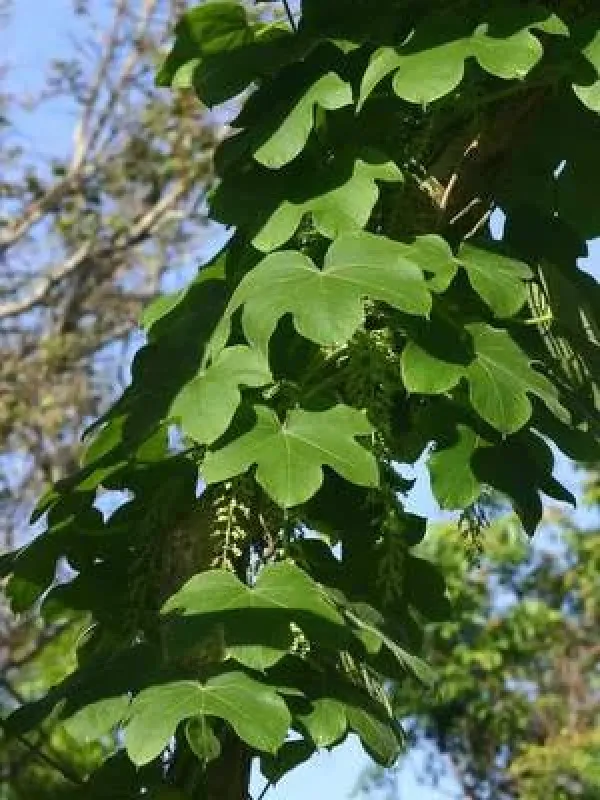
Description
Sowing dates
Jateorhiza palmata is a perennial tropical vine that is typically propagated vegetatively through the division of its thick, fleshy rhizomes in agricultural practice.
Seed propagation is also possible, though it requires fresh seeds which must be sown immediately after harvest to ensure high germination rates.
The seeds should be planted in a loose, well-draining substrate and maintained at a temperature range of 25–30 degrees Celsius to facilitate sprouting.
Uniform moisture must be maintained during the early developmental stage, as seedlings are sensitive to dehydration and direct sunlight exposure.
Professional nurseries often prefer vegetative division as it produces uniform plants that mature faster than those grown from seed.
Growing requirements
As a member of the Menispermaceae family, the plant naturally thrives in the humid, shaded environments of the East African tropical forests.
Successful cultivation requires fertile, well-draining soil with a neutral or slightly acidic pH to support the expansion of the root system.
Jateorhiza palmata prefers partial shade, mimicking the forest floor conditions where it receives filtered light rather than direct, harsh solar rays.
High relative humidity is a critical environmental factor; in non-tropical regions, the plant can only be grown in climate-controlled greenhouse environments.
Proper field management includes organic soil enrichment and consistent irrigation to ensure the roots obtain the necessary nutrients for alkaloid development.
Yield
The plant is highly valued for its bitter rhizomes, which are rich in medicinal alkaloids such as palmatine, columbin, and jateorrhizine.
The harvest cycle usually spans three to four years, at which point the roots reach their peak concentration of active therapeutic compounds.
The yield is measured by the quality and dry weight of the harvested rhizomes, which are widely sought after for digestive aids and herbal medicine.
Efficient post-harvest processing is essential, as the volatile and bioactive compounds in the roots can degrade if not handled correctly.
Due to the specific medicinal applications of the plant, farmers focus on maximizing alkaloid content rather than total vegetative biomass.
Main diseases and pests
Root rot caused by poor soil drainage and waterlogging is the most significant threat to the health of Jateorhiza palmata plantations.
Various tropical foliage pests can attack the vine leaves, causing defoliation and weakening the overall vigor of the plant during the growing season.
Integrated pest management, including regular crop rotation and maintaining adequate field hygiene, is vital to prevent major infestations.
Overcrowding of plants can lead to high humidity around the base, increasing the risk of pathogenic fungal outbreaks in the root zone.
Monitoring for early signs of stress is crucial, as the slow growth rate of the plant makes recovery from disease difficult and costly.
Harvesting
Harvesting is typically performed during the plant's dormant period, using careful manual extraction to preserve the integrity of the rhizomes.
Once harvested, the roots are thoroughly cleaned of dirt, sliced into manageable sections, and left to dry in a well-ventilated, shaded area.
Controlled air-drying is necessary to preserve the medicinal potency of the roots, avoiding high heat that would compromise the chemical structure.
Once dry, the raw material is graded by size and quality, ensuring it meets strict pharmaceutical industry standards before being packaged for shipment.
Proper storage in a dry, cool environment is essential to maintain the shelf life and effectiveness of the raw medicinal product.