
Cissampelos pareira
Cissampelos pareira
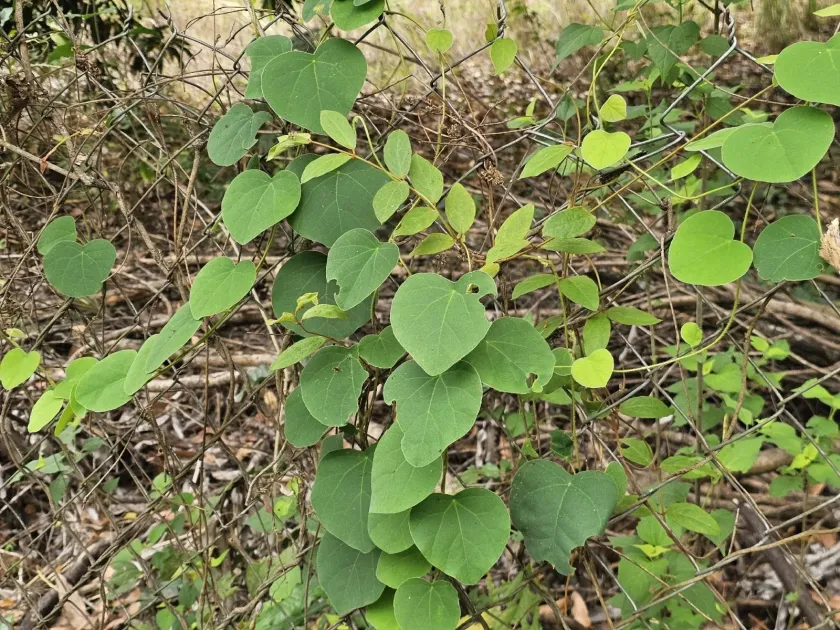
Description
Growing requirements
Cissampelos pareira is a perennial climbing vine belonging to the Menispermaceae family. It is native to tropical regions of Asia, Africa, and the Americas, where it thrives in forest margins and humid, sunny environments.
For successful cultivation, the plant requires a warm and humid climate. It grows best at temperatures ranging from 22 to 30 degrees Celsius and is highly sensitive to frost, which limits its commercial production to tropical and subtropical zones.
The soil requirements involve well-drained, fertile, and loose substrates. Sandy or loamy soils are ideal, provided they can maintain consistent moisture levels without becoming waterlogged, as poor drainage is detrimental to the root system.
Agricultural management requires the installation of robust trellis systems to support the climbing habit of the vine. Properly managed trellising ensures optimal air circulation and sun exposure, which are critical for the accumulation of active secondary metabolites in the plant tissues.
The plant is highly valued for its medicinal properties, particularly in the production of alkaloids. It serves as a raw material for various pharmaceutical products, including anti-inflammatory and analgesic compounds, making it a specialized industrial crop.
Main diseases and pests
Common pests include spider mites and scale insects that thrive in the dense foliage of the vine, especially when cultivation occurs in greenhouses or humid protected environments.
Fungal diseases are the primary threat, specifically root rots and powdery mildew. These issues often stem from excessive humidity and poor ventilation within the crop canopy, necessitating strict moisture control.