
Cissampelos mucronata
Cissampelos mucronata
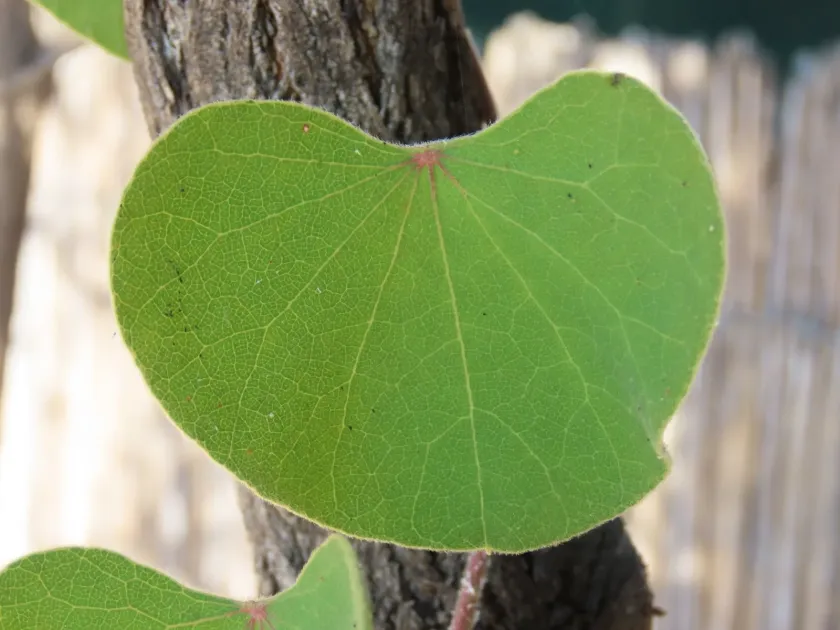
Description
Sowing dates
Cissampelos mucronata is a perennial climbing vine belonging to the Menispermaceae family, primarily native to tropical African environments.
The propagation process starts with seed selection; seeds should be treated to ensure uniform germination, typically involving warm water soaking for 24 hours.
Sowing occurs in controlled nursery conditions using a well-drained medium, maintaining a depth of approximately 1-2 cm to prevent seed dehydration.
Consistent heat is essential, with optimal germination temperatures ranging between 22 and 26 degrees Celsius for successful seedling establishment.
Once seedlings have developed several true leaves, they are transferred to their final growing sites, ensuring adequate spacing of about one meter between plants.
Growing requirements
The plant thrives in warm, tropical climates and requires high levels of solar radiation to maintain vigorous growth and produce quality biomass.
Soil requirements are centered on high organic content and excellent drainage, as the root system is sensitive to waterlogging and soil compaction.
Water management must be precise, balancing the need for consistent soil moisture with the necessity of avoiding stagnant conditions at the root base.
As a climbing species, Cissampelos mucronata requires vertical support structures, such as trellises or netting, to facilitate proper light interception.
Soil pH levels should be maintained in the slightly acidic to neutral range (6.0–7.0) to maximize nutrient uptake and overall plant vigor.
Main diseases and pests
The primary threats to the crop include fungal pathogens such as powdery mildew, which thrive in environments with poor air circulation and high humidity.
Pests like spider mites and aphids pose significant risks, especially during dry spells, by feeding on young foliage and reducing photosynthetic efficiency.
Cultural control methods, such as thinning the canopy to improve air movement, are the first line of defense against most foliage diseases.
Integrated pest management strategies are recommended, prioritizing biological controls over chemical pesticides to maintain the purity of the harvest.
Regular monitoring of the vine density is crucial, as dense foliage creates microclimates that invite pest infestations and mold growth.