
Anamirta
Anamirta
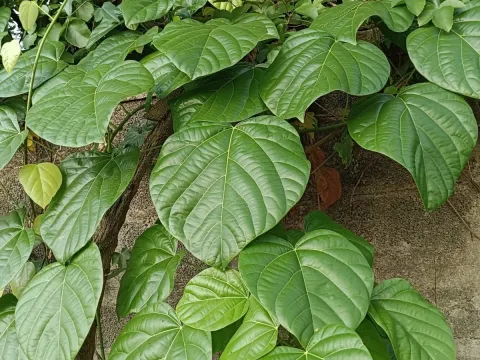
Anamirta (Anamirta cocculus) is a perennial woody climber belonging to the Menispermaceae family. This plant is well-adapted to the tropical rainforest environment, where it uses large trees as structural support to reach the forest canopy.
What the section contains

Anamirta
Originating from the tropical regions of Southeast Asia and India, the plant thrives in areas with consistent high humidity and warm temperatures. It prefers deep, nutrient-rich soils that provide excellent drainage to prevent root suffocation during monsoon periods.
The botanical structure of Anamirta features large, leathery, cordate leaves and complex raceme inflorescences. The fruit, a small drupe, contains seeds that are highly toxic, which serves as a natural defense mechanism against herbivores.
Cultivation requirements involve maintaining a high-humidity environment and protecting the plant from direct, harsh winds. Soil fertility management is essential for promoting vigorous stem growth and ensuring the development of healthy leaf mass.
Historically, the seeds of Anamirta have been utilized for their chemical properties, specifically as a source of picrotoxin. While rarely cultivated as a standard agricultural crop, its potential as a source for specialized pharmacological compounds remains a point of interest for researchers.
The primary threat to the stability of Anamirta plants is root rot, which typically develops in waterlogged soil conditions. Proper irrigation management and soil aeration are critical to maintaining the health of the root system against fungal pathogens.
Insects such as mealybugs and various species of mites are common pests that feed on the foliage. Their presence can severely inhibit growth and cause leaf discoloration, necessitating integrated pest management strategies.
Fungal leaf spot diseases are prevalent during the rainy season, caused by persistent moisture on the plant surfaces. Ensuring sufficient air circulation between vines can significantly reduce the incidence of these infections.
Competition for sunlight from surrounding epiphytes and vines can stress the plant, leading to stunted growth. Periodic pruning and clearing of invasive neighboring vegetation help the vine maintain its position in the forest structure.
Seed-boring insects present a persistent challenge, particularly for those attempting to propagate the plant. Protecting the maturing fruit from these pests is vital for ensuring high-quality seed viability for future development.