
Nepsera aquatica
Nepsera aquatica
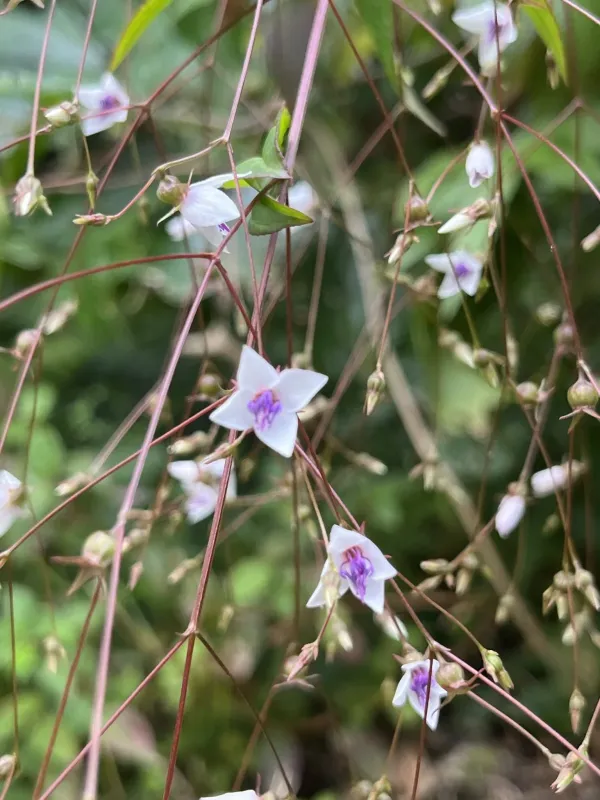
Description
Growing requirements
Nepsera aquatica is a distinct herbaceous perennial plant that belongs to the Melastomataceae family. This species is native to tropical regions of the Americas, where it is commonly found in wetlands, marshy areas, and along riverbanks where soil moisture remains high throughout the year.
The botanical structure of this plant is characterized by its opposite leaves, which feature the prominent venation typical of the Melastome family. The inflorescences are often terminal panicles carrying small, delicate flowers, which are capable of attracting various local pollinators in their native environment.
Cultivation of this species requires specific environmental conditions, primarily high humidity and consistently wet, nutrient-rich soil. It is well-adapted to tropical climates where temperatures remain consistently warm, ranging between 22 and 28 degrees Celsius, supporting active year-round growth.
In terms of economic utility, Nepsera aquatica is utilized in some regions for its potential medicinal properties in traditional practice. Furthermore, its role in maintaining wetland biodiversity and preventing soil erosion makes it a subject of interest for ecological restoration projects.
Agrotechnical management focuses on maintaining the water balance and soil acidity levels that mimic its natural habitat. Proper spacing and site selection are essential to ensure the plant can thrive without being outcompeted by more aggressive wetland weeds.
Main diseases and pests
The primary threats to Nepsera aquatica include fungal pathogens such as leaf spot and various rots that thrive in the excessively humid conditions favored by the plant. Implementing adequate ventilation and monitoring for symptoms is vital for maintaining plant health.
Pest pressures primarily stem from herbivorous insects and nematodes that inhabit damp soil. Managing these threats involves integrated pest control measures and ensuring the soil remains healthy to support the plant's natural defense mechanisms against damage.