
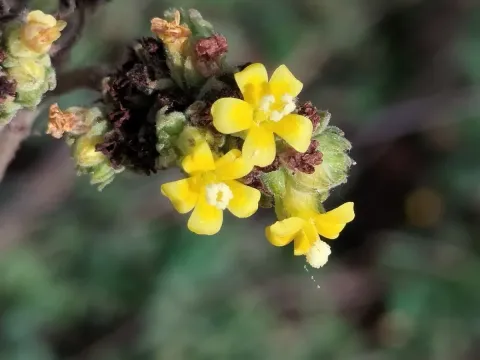
Waltheria
Waltheria
Waltheria is typically propagated via seeds, which are sown during the onset of the rainy season to ensure optimal soil moisture levels for germination. Direct seeding is common in tropical climates, providing the best start for early seedling growth.
What the section contains


Waltheria
Seeds should be sown at a shallow depth of 1–2 centimeters, as they require some exposure to light to initiate the germination process. Proper seedbed preparation, including the removal of surface debris, significantly improves field emergence rates.
When grown on a field scale, spacing between rows is maintained at approximately 50 centimeters to allow for adequate ventilation and easy access for weeding. This spacing is vital during the early stages of growth to prevent competition from invasive species.
Scarification of the seeds before planting is highly recommended to overcome their natural dormancy, which is common in many species of the Malvaceae family. This mechanical or chemical treatment ensures a more uniform and vigorous emergence across the field.
Greenhouse propagation is an alternative for regions with colder climates, where seedlings are nurtured until the danger of frost has fully passed. Transplanting must be done carefully to avoid disturbing the sensitive primary root system of the plant.
Waltheria is a heliophilic plant, requiring full sun exposure throughout the day to achieve its maximum biomass potential. Reduced light intensity results in etiolated growth and a significant decline in the overall vigor of the crop.
The plant thrives in well-drained sandy or loamy soils with a pH ranging from neutral to slightly acidic. It is extremely sensitive to waterlogging, as excessive soil moisture promotes root rot and leads to a quick decline in the health of the entire plant.
One of the most notable features of Waltheria is its drought tolerance, which allows it to thrive in arid environments where other crops might fail. Its deep taproot system is capable of accessing moisture deep within the soil profile.
The ideal temperature range for active growth is between 22 and 30 degrees Celsius. Sudden drops in temperature or prolonged cold spells can impede metabolic processes, leading to stunted growth and reduced reproductive success.
While the plant is relatively undemanding regarding soil nutrients, moderate fertilization with nitrogen and phosphorus during the initial growth phase can stimulate more robust development. Excess organic matter, however, should be used sparingly.
The yield of Waltheria is primarily measured in biomass, which varies significantly depending on soil fertility, water availability, and management intensity. Maximizing production requires regular monitoring of plant health and nutrient status.
Seed production is another aspect of yield, particularly in cultivars grown for ecological restoration projects. Proper harvesting timing is crucial to ensure high seed viability and to prevent losses due to natural dehiscence of the seed capsules.
To improve yields, some farmers employ drip irrigation systems to bridge periods of drought, ensuring steady development. This practice is particularly beneficial for high-density plantings where water competition is more intense among the plants.
The biomass harvested can serve various purposes, including as high-quality organic mulch or green manure to enhance soil structure. Quantitative evaluation is performed after drying the harvested material to a consistent moisture content.
Sustainable agricultural practices, such as integrated crop management, often result in more stable yields over time. By maintaining soil health and preventing pathogen buildup, farmers can ensure long-term productivity of the Waltheria fields.
The most common pests affecting Waltheria include aphids and spider mites, which thrive in hot and dry conditions. These insects target the foliage, sucking nutrients and significantly weakening the plant, leading to stunted leaf development.
Fungal pathogens represent a major threat, particularly in the roots, if the soil remains excessively wet for long periods. Prevention relies on proper field drainage and the selection of disease-free sites for planting the crop.
Powdery mildew can appear on the leaves during high-humidity seasons, especially if air circulation between plants is restricted. Maintaining proper plant density is a key cultural control method to minimize the risk of such fungal outbreaks.
Root-feeding larvae, such as those of various beetle species, can damage the underground parts of the plant. Monitoring for early signs of wilting is essential for implementing localized control measures before the damage becomes irreversible.
Sanitation practices, such as the removal and destruction of crop residues immediately after harvest, help disrupt the life cycles of pests and pathogens. This proactive approach is fundamental to integrated pest management strategies.
Harvesting Waltheria is optimally conducted during the full flowering stage, which is when the concentration of essential phytochemicals and the nutritional value of the biomass are at their highest level for most practical applications.
Mechanical harvesting involves cutting the plants at a height that avoids damaging the crown or the main root system. Once cut, the biomass must be promptly removed from the field to a shaded area for efficient drying.
If the target product is seeds, harvesting is deferred until the capsules begin to turn brown and dry. Special care is taken during the threshing process to avoid breakage, as the seeds are relatively small and delicate in nature.
Drying is a critical step in the harvesting process, requiring excellent ventilation to prevent the growth of molds or the fermentation of the plant material. The moisture content must be reduced significantly to ensure stability during storage.
Final storage should be carried out in a dry, cool, and dark environment to maintain the shelf life and quality of the processed product. Proper packaging also helps to prevent moisture absorption and insect infestations after processing.