
Waltheria americana
Waltheria americana
Description
Growing requirements
Waltheria americana, widely recognized as Waltheria indica, is a perennial herb or small shrub belonging to the Malvaceae family. Native to tropical regions of the Americas, it has naturalized throughout tropical and subtropical zones globally.
The plant thrives in well-drained, sandy or loamy soils and exhibits a high tolerance for poor soil fertility. It is well-adapted to environments with intermittent drought, making it a resilient species for various tropical farming systems and land restoration projects.
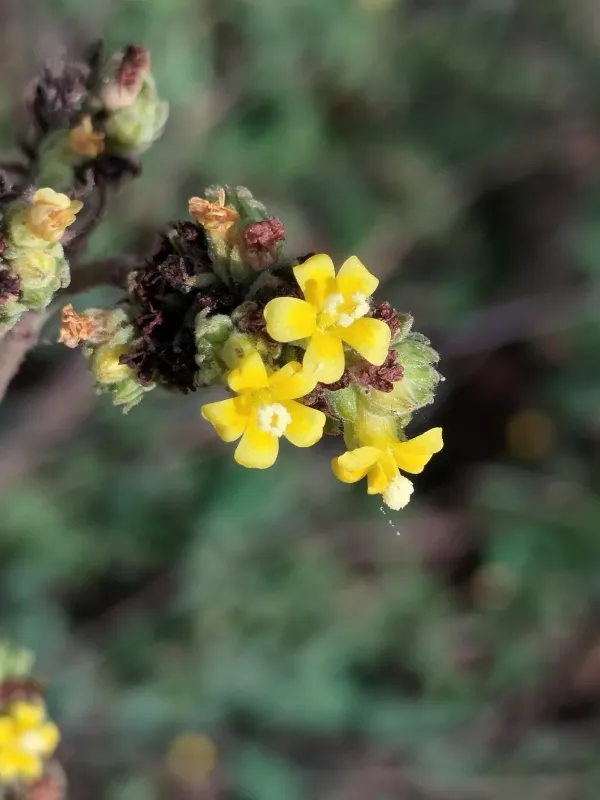
Botanically, it features simple, alternate leaves and small, dense clusters of yellow flowers. These blossoms appear primarily in the axils of the leaves, contributing to the plant's distinct appearance within the landscape and its role in maintaining local biodiversity.
In terms of agricultural requirements, the crop demands full sun exposure and warm climatic conditions. It cannot withstand frost or cold stress, requiring minimum temperatures that stay consistently above 15 degrees Celsius for healthy vegetative growth.
Economic and household usage is significant, particularly in folk medicine. Extracts from the roots and leaves are traditionally employed for their medicinal properties, including anti-inflammatory, analgesic, and antimicrobial effects in indigenous healthcare practices.
Main diseases and pests
The crop is susceptible to fungal diseases, including powdery mildew and various leaf spot pathogens, especially during the rainy season or in poorly ventilated areas. Maintaining optimal planting density is the primary preventative measure for these ailments.
Insect pests such as aphids and leaf-eating beetles often target the foliage during the growing season. Integrated pest management strategies, such as physical barriers or biological control agents, are recommended to protect the yield without using synthetic chemicals.