
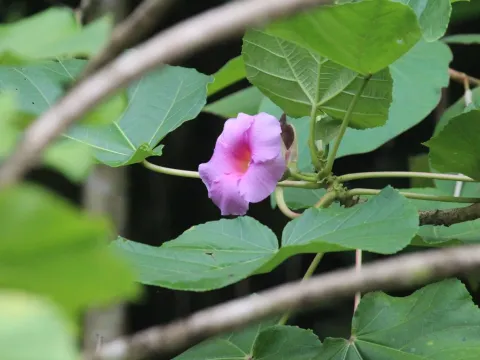
Wercklea
Wercklea
Wercklea is a fascinating genus of flowering plants belonging to the Malvaceae family. These plants are known for their impressive stature and unique leaf structure, often growing as small trees or robust shrubs in their native environments.
What the section contains

Wercklea
The origin of Wercklea is traced back to the tropical rainforests of Central America, specifically regions in Costa Rica. They are well-adapted to the humid, shaded understory of these ecosystems, where they benefit from consistent temperatures.
To cultivate Wercklea successfully, growers must replicate tropical conditions. This includes maintaining a stable temperature range, high atmospheric humidity, and protecting the plant from any form of frost or cold drafts, which are detrimental to its growth.
The substrate should be rich in organic matter, such as peat or leaf mold, and must be highly permeable. Proper drainage is essential to prevent waterlogging, as the root systems of these plants are highly sensitive to stagnant moisture.
In terms of usage, Wercklea is primarily valued by botanical collectors and public gardens. Its presence in a greenhouse provides a distinct aesthetic value and serves as an important subject for studying the morphological diversity within the Malvaceae family.
The primary pests affecting Wercklea in greenhouse environments are spider mites and mealybugs. These thrive in environments with low humidity, so keeping the surrounding air moist is a recommended preventative measure for indoor cultivation.
Root rot is the most significant threat to the plant's viability. This condition is almost exclusively caused by overwatering or using a potting medium that lacks sufficient drainage, leading to the rapid deterioration of the plant's underground structures.