
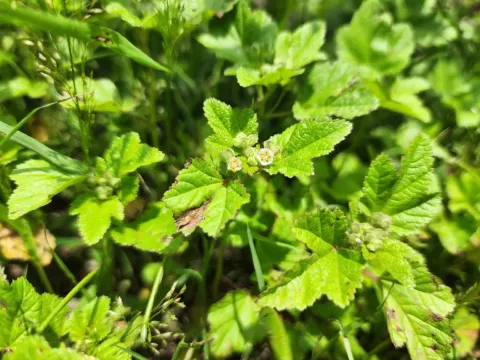
Urocarpidium
Urocarpidium
Sowing of Urocarpidium is typically carried out in the spring period when the soil warms up to stable temperatures of 12–15 degrees Celsius.
What the section contains

Urocarpidium
A row-seeding method with a sowing depth of no more than 2–3 centimeters is considered optimal to ensure high-quality germination.
To accelerate sprout emergence, it is recommended to perform preliminary stratification of the seed material under low-temperature conditions.
Maintaining a distance of 40–50 centimeters between rows is necessary to provide enough space for the vegetative growth of the plant.
In regions with a short growing season, it is advisable to use the seedling method for cultivation followed by transplanting into open soil.
The crop belongs to the Malvaceae family and prefers well-drained sandy or light loamy soils with a neutral pH level.
The plant is light-demanding, so it is necessary to choose plots with maximum levels of daily solar radiation for full development.
Moisture requirements are moderate: the crop is relatively drought-resistant, although it critically needs water during the early stages of growth.
The optimal temperature range for vegetation is 20–25 degrees Celsius, as growth of the aerial part ceases during significant frosts.
Applying mineral fertilizers with a predominance of phosphorus and potassium helps strengthen the root system and increases overall crop stability.
The primary threat to the crop includes various types of root rot caused by excessive soil moisture and waterlogging.
In dense planting conditions, plants are frequently affected by powdery mildew, which necessitates preventive treatment with fungicides.
Regarding pests, the most dangerous are spider mites and various aphid species that suck sap from young shoots, thereby reducing productivity.
To protect against insects, it is effective to use biological insecticides and strictly adhere to crop rotation that excludes related Malvaceae species.
Regular weeding reduces the risk of pathogenic microflora development and minimizes competition for essential soil nutrients.
Harvesting is performed upon reaching technical maturity when the fruits acquire their characteristic color and the seeds become firm.
The harvesting process is mechanized, requiring a gentle threshing mode to prevent damage to the delicate seed material.
After collection, the seeds must be dried in well-ventilated rooms until the moisture content reaches no more than 12–14 percent.
Cleaning the harvest from plant residues and impurities is performed on specialized separators to enhance the commercial quality of the produce.
Storage should be conducted in dry, cool, and dark warehouse facilities, protected from rodent access and pest infestation.