
Waltheria communis
Waltheria communis
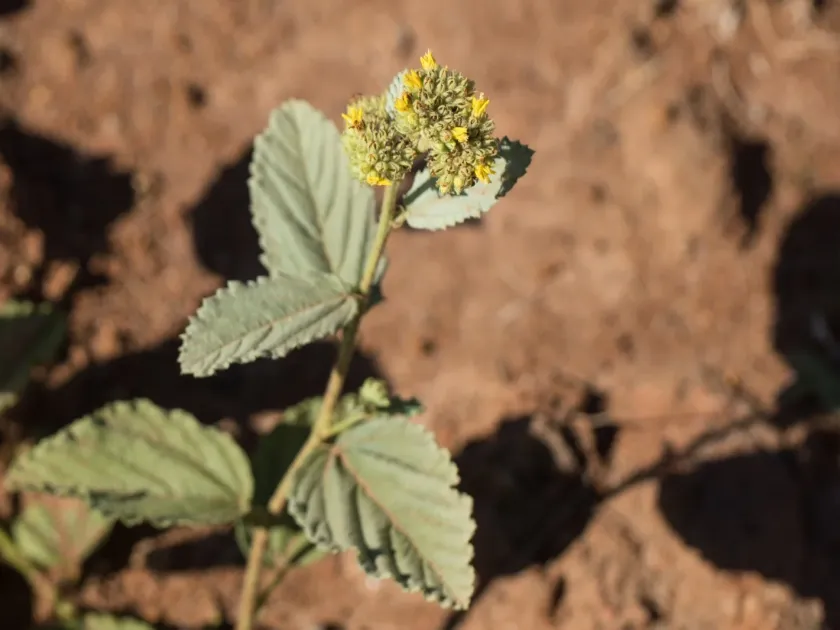
Description
Growing requirements
Waltheria communis is a perennial plant belonging to the Malvaceae family. Originating from South America, it is well-adapted to the specific environmental conditions of tropical and subtropical climates.
The plant exhibits high tolerance to various soil types, particularly favoring well-drained, sandy or loamy soils. It avoids waterlogged areas, which can significantly damage its root system.
Climate requirements are strict regarding temperature, as the species is highly sensitive to frost. It thrives in regions with consistently warm weather throughout the year, typically ranging from 20 to 32 degrees Celsius.
Sunlight exposure is a critical factor for successful growth. Waltheria communis is a heliophilic plant, requiring full sun to reach its potential biomass production and to ensure robust structural development.
Agronomic management involves periodic monitoring of soil moisture levels. Although it is considered drought-tolerant, supplemental irrigation during prolonged dry spells can significantly enhance overall productivity.
Yield
Waltheria communis is primarily utilized as a forage crop in tropical regions. Its ability to produce nutritious biomass makes it a valuable component for livestock grazing systems.
Beyond its forage value, the plant is often employed for soil conservation purposes. Its strong root system helps stabilize topsoil, reducing erosion on degraded lands and slopes.
The yield potential of the species depends heavily on site selection and management. When managed as a pasture crop, it shows remarkable regrowth capacity after being grazed or cut.
The chemical composition of the harvested foliage provides essential nutrients, helping to maintain animal health in regions where high-quality feed may be seasonal and scarce.
To maximize yields, land managers should focus on maintaining optimal plant spacing, which prevents intra-species competition and allows for better nutrient uptake from the soil profile.