
Waltheria ovata
Waltheria ovata
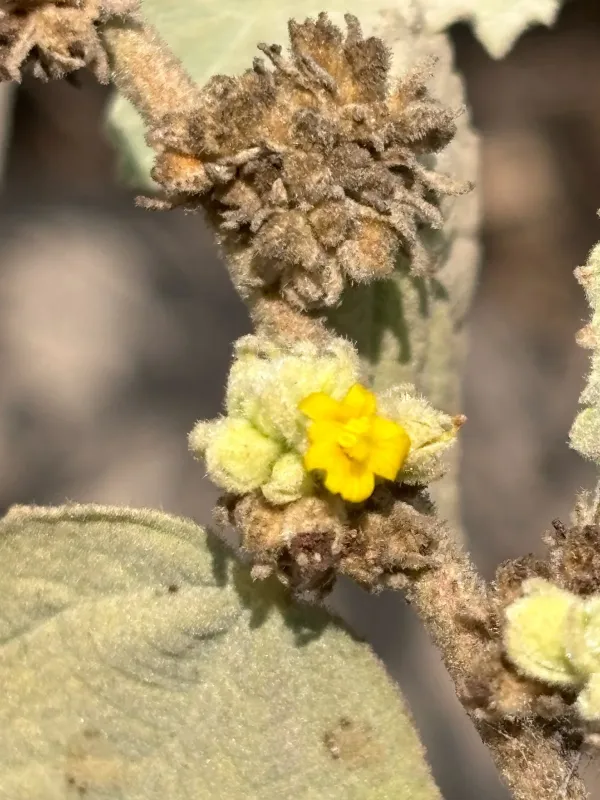
Description
Growing requirements
Waltheria ovata is a notable species belonging to the Malvaceae family, recognized for its adaptability to challenging ecological conditions. As a perennial shrub, it exhibits a distinct growth habit that requires specific environmental parameters for optimal yield.
The plant is native to South American regions, primarily thriving in semi-arid and subtropical landscapes. Its natural distribution indicates a preference for well-drained, nutrient-poor, and rocky soils, where it faces minimal competition from other vegetation.
Regarding climate requirements, Waltheria ovata demands high solar radiation and stable temperatures throughout its active growing season. It is susceptible to frost damage, necessitating protective measures or greenhouse cultivation in regions with colder climates.
The soil profile for this crop should ideally be sandy or loamy with excellent permeability to prevent waterlogging. Root health is critical, as stagnant moisture promotes pathogens that can compromise the plant's structural integrity.
In terms of agricultural utility, the plant is studied for its phytochemical profile. Research indicates that specific environmental stresses can influence the secondary metabolite production, which is a key factor in its industrial and medicinal applications.
Main diseases and pests
Pathogenic threats for Waltheria ovata are dominated by soil-borne fungal diseases, particularly those affecting the root system. High humidity levels are the primary trigger for outbreaks, making strict control of soil moisture essential for crop management.
Common insect pests include spider mites and aphids, which can quickly colonize the underside of the leaves, weakening the plant. Early detection and the application of integrated pest management strategies are vital to preventing widespread economic damage.
Weed management presents a significant challenge due to the slow initial growth rate of the shrub. Without consistent manual or mechanical weeding, the species can be easily overshadowed, leading to poor biomass accumulation and reduced vigor.
Infection by airborne fungal spores is a potential risk during prolonged rainy seasons. Maintaining proper spacing between plants ensures better air circulation, which serves as a natural defense mechanism against the accumulation of pathogens.
Agronomic safety protocols emphasize the use of disease-resistant seeds and soil sterilization techniques. Continuous surveillance for necrotic spots on the foliage or abnormal wilting helps maintain a healthy crop population throughout the harvest season.