
Winecup
Callirhoe involucrata
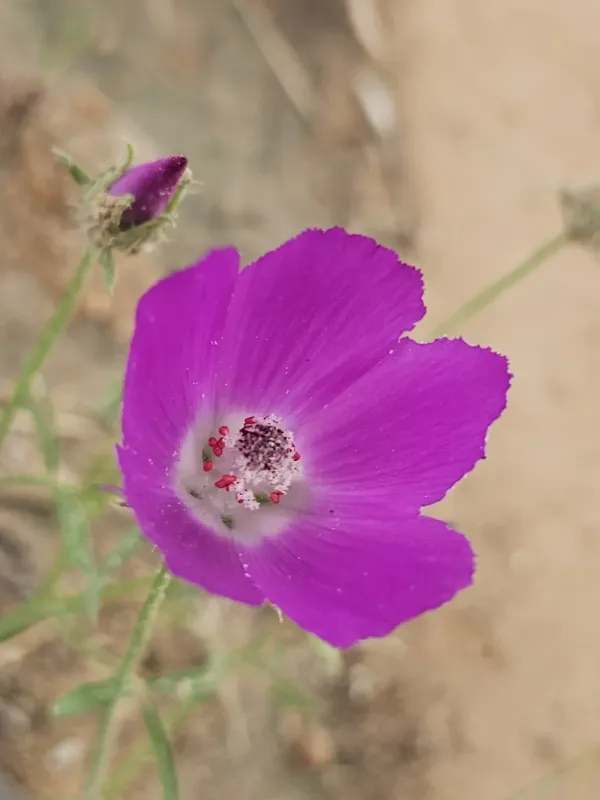
Description
Sowing dates
Sowing Winecup (Callirhoe involucrata) seeds is best performed in the spring once the soil has sufficiently warmed. Seeds have a hard coat, so scarification is recommended to improve germination rates significantly.
Seeds can be sown directly into the soil or started in containers. If sowing directly, place seeds no deeper than 1-2 cm and ensure the seedbed remains consistently moist until germination occurs.
Starting plants in seed trays allows for easier establishment before transplanting into the garden. It is crucial to move seedlings to their permanent location once the risk of frost has fully passed.
When planting, maintain a spacing of at least 45-60 cm between individual plants. This spacing accounts for the trailing habit of the stems, which can spread significantly throughout the growing season.
In regions with milder winters, fall sowing is also an option. This practice allows the seeds to undergo natural stratification, often leading to more vigorous growth in the following spring.
Growing requirements
Winecup is a member of the Malvaceae family, native to the prairies and rocky slopes of North America. It is a hardy, herbaceous perennial known for its deep taproot and sprawling growth pattern.
This plant thrives in full sun, requiring at least 6-8 hours of direct sunlight daily to produce abundant flowers. Providing adequate light is essential for maintaining a compact and healthy habit.
Soil requirements focus on excellent drainage. Winecup performs exceptionally well in sandy or rocky soils where moisture does not accumulate. It is highly intolerant of waterlogged, heavy clay environments.
Once established, the plant is extremely drought-tolerant. Irrigation should be applied sparingly, as excess moisture can encourage root rot and negatively impact the plant's overall resilience.
Winecup requires very little fertilization. Excess nitrogen can lead to excessive foliage growth at the expense of floral production, potentially weakening the plant against environmental stressors.
Main diseases and pests
Fungal diseases, such as leaf spot and powdery mildew, represent the primary health threats to this crop. These often emerge during periods of high humidity or poor air circulation around the plants.
Common pests like aphids and spider mites may infest the foliage during hot, dry spells. Monitoring the underside of the leaves regularly allows for timely intervention using horticultural soaps or targeted insecticides.
Root rot is the most common physiological issue, almost always resulting from poor drainage or excessive watering. Ensuring that the soil structure facilitates rapid drainage is the best preventative measure.
Slugs and snails can cause significant damage to young, tender sprouts early in the season. Utilizing organic repellents or bait can effectively manage these populations during the vulnerable seedling stage.
Maintenance practices, such as clearing debris from around the base of the plant, help reduce the incidence of soil-borne pathogens and provide a cleaner environment for the plant to thrive.