
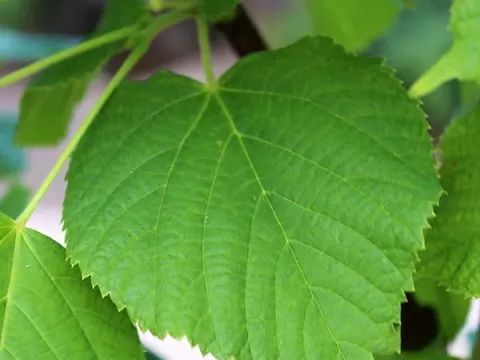
Red lime
Tilia rubra
Red lime (Tilia rubra) is a distinctive species within the Malvaceae family, native to the Caucasus and parts of Western Asia. It is widely recognized for its reddish young twigs and high ornamental value, making it a popular choice for urban landscaping and botanical gardens.
What the section contains
Red lime
The tree thrives in fertile, well-drained soils that offer a balance of nutrients and moisture. It performs best in deep loam soils with a neutral pH, avoiding sites that are prone to prolonged waterlogging or excessive soil compaction which may restrict root development.
Climate adaptability is one of its key strengths, as the tree handles moderate winters and seasonal shifts effectively. While it prefers full sun for optimal flowering and canopy density, it displays a reasonable tolerance for partial shade during its juvenile development stages.
Standard cultivation involves consistent irrigation, especially in the early years after planting. Mulching is highly recommended to regulate soil temperature and moisture levels, protecting the shallow root system from extreme fluctuations throughout the growing season.
Beyond its aesthetic appeal, Tilia rubra serves significant economic purposes, including serving as a high-quality nectar source for beekeeping. Its timber is also valued for wood carving and small-scale manufacturing due to its lightweight and workable properties.
Common pests affecting red lime include aphids and scale insects, which feed on the foliage and sap, potentially weakening the tree. Integrated pest management, involving the encouragement of natural predators, is often sufficient to control these populations.
Fungal infections, such as leaf spot, may occur in damp and stagnant environments. To maintain the health of the tree, it is essential to ensure adequate spacing and perform periodic pruning to improve airflow through the canopy and remove any diseased branches.