
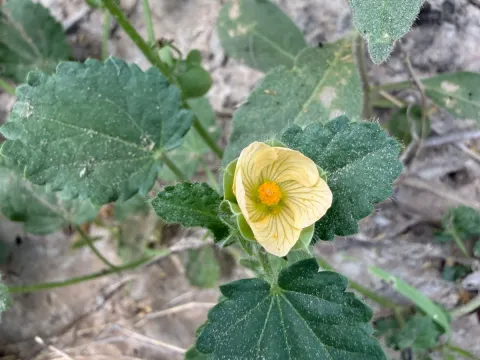
Rhynchosida
Rhynchosida
Rhynchosida is a genus of flowering plants belonging to the Malvaceae family, sharing many structural traits with other hibiscus relatives.
What the section contains

Rhynchosida
The planting process usually commences during the warmer months, as these plants thrive under high-temperature conditions characteristic of tropical environments.
Seed germination can be challenging due to the hard seed coat, often necessitating pre-sowing treatments like scarification to improve uniformity.
The optimal sowing time is when the soil temperature remains consistently high, allowing for rapid root establishment and biomass accumulation.
Proper plant spacing is essential to ensure adequate airflow and nutrient access, preventing competition between individual specimens during the growth phase.
These plants require full sun exposure to maintain vigorous growth and produce high-quality foliage or reproductive organs throughout the season.
Soil quality is paramount, with well-drained, fertile substrates yielding the best growth results compared to heavy, waterlogged soil types.
Water management must be precise, as the genus is adapted to cycles of rainfall and requires sufficient moisture without the risk of root rot.
Thermal stability is crucial, with growth rates peaking between 25 and 30 degrees Celsius, requiring protective measures if extreme cold persists.
Regular fertilization with balanced NPK ratios is beneficial for supporting the metabolic processes of this plant species during its peak growing cycle.
Common pests include spider mites and aphids, which are frequent issues for Malvaceae family members, requiring vigilant scouting and management.
Fungal pathogens such as powdery mildew may develop if humidity levels are high and air circulation around the plants is insufficient.
Root system pests, including specific types of nematodes, can cause significant damage in sandy soils if not managed through proper rotation.
Effective management strategies emphasize early detection and the use of integrated pest control methods to maintain plant health and viability.
Sanitation practices, such as removing debris and infected plant tissues, are fundamental to reducing the pressure of diseases in a cultivation area.