
Robinsonella
Robinsonella
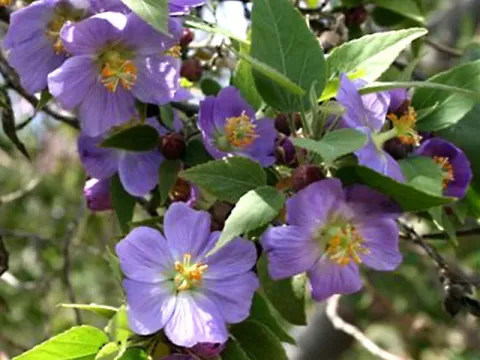
Robinsonella is a genus of tropical trees belonging to the Malvaceae family, typically propagated by seeds harvested from mature fruits.
What the section contains


Robinsonella
Sowing should take place in early spring in a well-draining potting medium to ensure maximum germination success for the developing seedlings.
Pre-treatment of seeds, such as scarification or soaking in warm water, is highly recommended to overcome dormancy caused by the hard seed coat.
The seeds should be covered with a fine layer of soil and kept at a temperature of approximately 22 to 24 degrees Celsius until emergence.
Once the seedlings develop their first true leaves, they should be transplanted into individual pots to provide enough room for root system development.
Native to Central and South America, Robinsonella trees require a warm, frost-free climate to maintain healthy growth throughout the year.
These trees prefer fertile, loamy soil with excellent drainage properties to prevent root rot, which is a common issue in tropical species.
Abundant sunlight is crucial for the robust development of their foliage and the production of their characteristic flowers during the blooming season.
Consistent irrigation is necessary during the active growing season, but the soil should be allowed to dry slightly between watering sessions.
Providing a space with high humidity and protection from cold, drying winds will help replicate the natural habitat required for their optimal growth.
Spider mites and whiteflies are the primary pests that can infest Robinsonella, particularly when grown in environments with low humidity.
Root rot caused by fungal pathogens, such as Phytophthora, can become a severe threat if the drainage system is inadequate for the plant's needs.
- Regular monitoring of leaf surfaces.
- Application of neem oil for mild infestations.
- Improved air circulation in the growing space.
Keeping the plant healthy through balanced fertilization and correct watering prevents most common physiological and biological disorders.
In cases of severe infestation, immediate removal of damaged plant parts and chemical treatment may be required to save the specimen from decline.