
African hemp
Sparrmannia africana L. f.
Description
Growing requirements
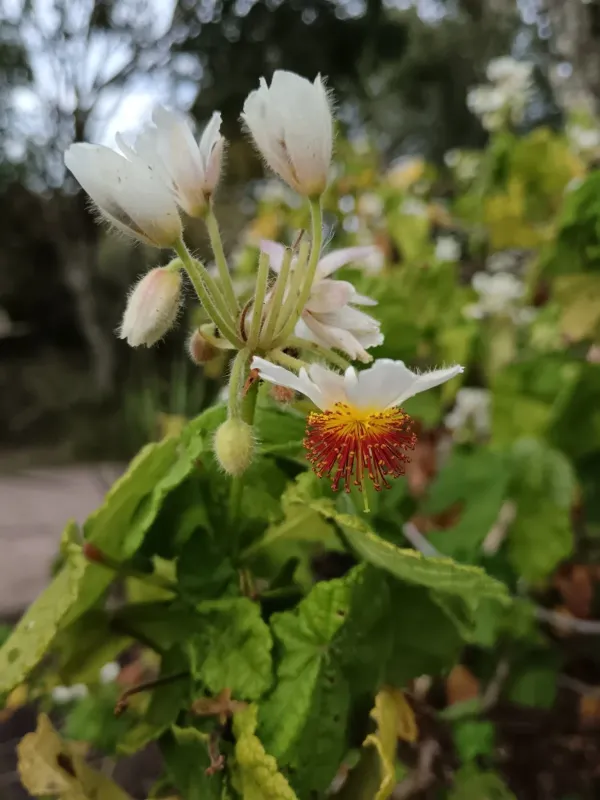
Sparrmannia africana L. f., commonly known as African hemp or house linden, is a flowering plant species in the Malvaceae family. It originates from South Africa and is widely valued for its rapid growth and large, soft, heart-shaped leaves.
This crop prefers bright, indirect sunlight to thrive. While it can tolerate partial shade, insufficient light will lead to spindly stems and reduced flowering. The ideal temperature range for the plant is 18–25°C during the day, with cooler conditions preferred at night.
The soil requirements involve a well-draining, nutrient-rich potting mix. A combination of peat-based substrate with perlite or coarse sand is recommended to maintain moisture while preventing waterlogging, which the plant is highly sensitive to.
Watering management is crucial; the substrate should be kept consistently moist during the active growing season. However, in winter, it is necessary to reduce watering significantly to allow the plant a resting phase, which is essential for healthy development.
In terms of agricultural and horticultural use, Sparrmannia is mainly utilized as an ornamental plant for indoor landscaping, large offices, and conservatories. Its aesthetic appeal is enhanced by white flowers featuring prominent yellow and red stamens.
Main diseases and pests
The primary pests affecting Sparrmannia are spider mites, which thrive in warm, dry indoor environments. These pests can be identified by fine webbing and stippling on the leaves, leading to leaf drop if left untreated.
Mealybugs are another common threat, often found in leaf axils and on the undersides of leaves. They suck the sap from the plant, causing stunted growth and the secretion of sticky honeydew that encourages sooty mold.
Root rot is the most significant disease caused by improper irrigation practices. Symptoms include wilting despite moist soil, blackening of the stem base, and a foul smell from the root zone due to anaerobic bacteria activity.
Effective pest management involves regular leaf inspection and maintaining optimal humidity levels. If infestations occur, horticultural oils or appropriate systemic insecticides should be used in accordance with safety guidelines.
Sanitation practices, including the removal of dead or decaying foliage and proper spacing to allow air circulation, are vital to preventing fungal outbreaks and maintaining a robust plant structure.