
Pentapetes
Pentapetes
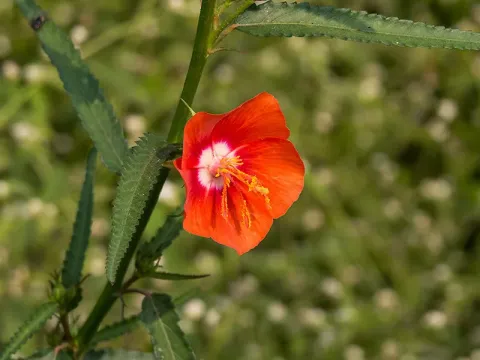
Pentapetes (Pentapetes phoenicea) is an annual herb within the Malvaceae family. Native to tropical Asia, it has gained recognition as a striking ornamental species requiring warm climatic conditions.
What the section contains

Pentapetes
The sowing process begins indoors under controlled temperatures of 22-25 degrees Celsius. Seeds are sown in trays filled with a well-draining, peat-based mix to ensure high germination rates.
Seedlings require sufficient space for root development. Regular thinning or transplanting into individual pots is recommended to prevent competition for light and nutrients.
Hardening off the plants is a crucial step before moving them to the field. This process helps them acclimate to the outdoor environment, reducing transplant shock.
Direct sowing in warmer regions is possible once the risk of frost has completely passed and soil temperatures have warmed sufficiently for germination.
Pentapetes thrives in locations with full solar exposure. Adequate sunlight is essential for the plant to achieve its potential height and produce numerous vibrant flowers.
The soil should be fertile, loose, and slightly acidic to neutral. High organic matter content is preferred, as it provides a stable nutrient supply throughout the growing season.
Water management is key; the soil must be kept moist but never waterlogged. Drip irrigation systems are ideal for maintaining consistent soil moisture without wetting the foliage.
Temperature control is vital for success. If night temperatures drop below 15 degrees Celsius, growth will likely stall or stop, necessitating temporary protection.
Applying a balanced fertilizer during the vegetative stage encourages robust plant structure. Avoid excessive nitrogen, which can lead to lush growth at the expense of floral output.
Common pests include aphids and spider mites, which thrive in warm, dry environments. These insects can significantly damage leaves and sap vitality if left unchecked.
Fungal pathogens such as root rot and powdery mildew are prevalent in overly humid conditions. Improving air circulation around the plants is an effective preventive measure.
Pest monitoring should be conducted weekly to identify infestations in their early stages. Early intervention allows for the use of less aggressive control measures.
Maintaining a clean growing area by removing fallen plant debris helps prevent the accumulation of pathogens that could infect future plantings.
- Regular inspection for early symptoms of infestation.
- Implementing integrated pest management (IPM) strategies.
- Proper sanitation to maintain plant health and vigor.