
Lowland ribbonwood
Plagianthus regius
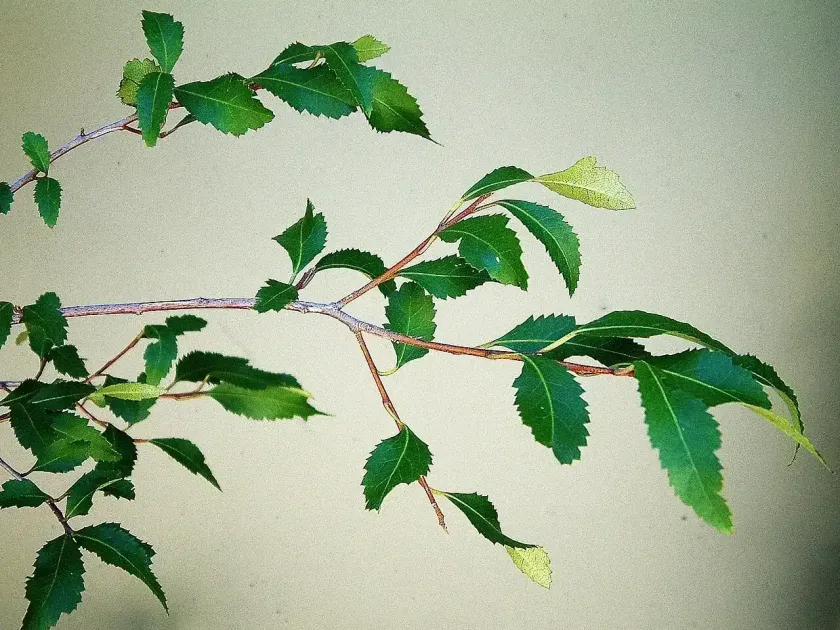
Description
Growing requirements
Plagianthus regius, commonly known as lowland ribbonwood, is a deciduous tree species belonging to the Malvaceae family. Native to New Zealand, it is recognized as one of the tallest flowering trees in the region, often reaching up to 20 meters under optimal conditions.
The tree thrives in deep, fertile, and well-drained soils. While it exhibits great adaptability to various environments, it performs best in rich alluvial soils where water availability is consistent, promoting robust vegetative growth and health during the peak seasons.
Regarding light requirements, Plagianthus regius prefers full sun exposure to maintain its dense canopy structure. However, young specimens benefit from semi-shaded protection from harsh direct winds and extreme sun until they establish a sturdy root system and mature bark.
Climate preferences for this culture include temperate, maritime-influenced regions. It is relatively hardy, but growers should consider local microclimates, as young trees are sensitive to severe frost, which can cause significant tissue damage if not adequately managed during winter.
In terms of agricultural and practical use, the lowland ribbonwood has historical significance for its bark fibers, which are exceptionally strong. Today, it is valued in forestry for its rapid growth rate, its utility in windbreak planting, and its aesthetic appeal in large-scale landscaping.
Main diseases and pests
Pest management is a critical aspect of maintaining Plagianthus regius stands. Several species of defoliating insects are known to feed on its foliage, necessitating regular monitoring to prevent significant growth suppression during the early stages of tree development.
Root rot caused by stagnant water is a primary threat in low-lying or poorly drained fields. Ensuring proper soil aeration and avoiding waterlogging is essential to prevent fungal pathogens from compromising the tree's health and reducing its overall lifespan.
Fungal leaf diseases can occur in humid and poorly ventilated conditions. Promoting good air circulation through proper planting density and periodic thinning helps mitigate these risks and ensures that the tree remains productive and aesthetically pleasing.
Nutrient deficiencies, particularly involving nitrogen and magnesium, may manifest as leaf chlorosis. Consistent soil testing and a well-planned fertilization schedule are recommended to provide the necessary support for the tree to thrive throughout its lifecycle.
Implementing an integrated pest and disease management program is the best practice for commercial growers. This approach combines cultural practices, such as sanitizing equipment and proper pruning, with targeted interventions to ensure the vitality of the lowland ribbonwood population.