
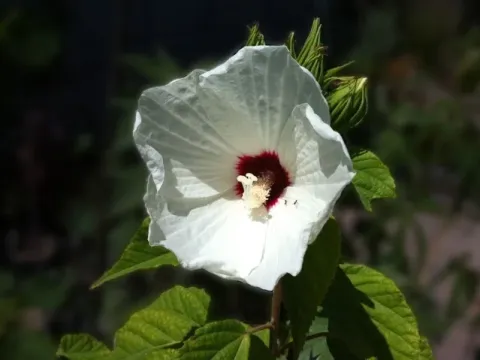
Woolly rose mallow
Hibiscus lasiocarpus
The seeds of Hibiscus lasiocarpus should be sown in the spring once the soil temperatures consistently exceed 15 degrees Celsius. This ensures rapid germination and minimizes the risk of seed decay in cold soils.
What the section contains
Woolly rose mallow
Mechanical scarification of the seeds is highly recommended before planting. Gently nicking the seed coat allows water to penetrate more easily, which drastically improves the overall germination rate.
Starting seeds indoors is a common practice for regions with shorter growing seasons. Seedlings should be grown in a warm, sunny environment for about six to eight weeks before transplanting.
Transplanting outdoors should occur only after the danger of frost has completely passed. The young plants need to be hardened off gradually to adapt to outdoor light levels and wind conditions.
When planting, ensure adequate spacing between individual plants to allow for airflow. This spacing helps prevent moisture accumulation and keeps the plants healthy during the early growth stages.
The Woolly rose mallow, native to North America, is a member of the Malvaceae family. It is a robust perennial herb distinguished by its fuzzy fruit and large, showy blooms that attract various pollinators.
This species thrives in wet, fertile soils. While it prefers moist environments, it is essential that the soil is well-drained to avoid waterlogged conditions that can cause root distress.
Full sun exposure is vital for the development of strong stems and abundant flowers. In areas with intense midday heat, light partial shade can be beneficial, but full sun remains the ideal condition.
Agronomic management includes consistent irrigation to maintain soil moisture levels throughout the growing season. A layer of organic mulch can help retain moisture and regulate soil temperature.
During the dormant winter season, it is advisable to cut the stems back to the ground. Applying a protective layer of mulch provides the necessary insulation against deep freezes in temperate climates.
Aphids are a frequent concern for this crop, typically gathering on the undersides of leaves and on developing flower buds. Prompt intervention with insecticidal soaps can prevent significant damage.
Spider mites thrive in hot, dry conditions and can cause stippling and yellowing of the foliage. Regular misting and keeping the plants well-hydrated are effective natural deterrents.
Fungal diseases like powdery mildew may develop if there is insufficient air circulation around the plants. Pruning to improve airflow is a critical step in managing these infections.
Root rot is perhaps the most serious threat, usually resulting from poor soil drainage. Ensuring that the planting site has adequate permeability is the best defense against soil-borne pathogens.
Regular monitoring of the planting site allows for the early detection of issues. Integrated pest management, focusing on cultural practices, is highly encouraged for maintaining the longevity of the plant.