
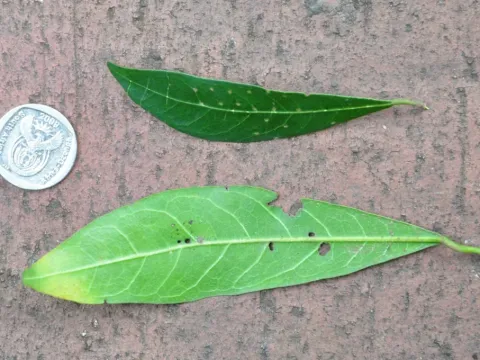
Cola natalensis
Cola natalensis
Cola natalensis is a prominent member of the Malvaceae family, characterized as a robust evergreen tree native to the coastal forests of South Africa and Mozambique. Its biological structure is highly adapted to humid subtropical environments where year-round moisture is available.
What the section contains
Cola natalensis
The cultivation requirements focus on providing a nutrient-rich, well-draining soil profile with a balanced pH level. In its natural habitat, the tree thrives under the canopy, suggesting that young plantations benefit significantly from partial shading to avoid foliage scorch.
Botanically, the tree displays glossy, leathery leaves and distinctive flowers that contribute to its ecological resilience. It demands stable temperatures, as exposure to frost can cause irreversible damage to the cambium layer and vascular system.
Agronomic management includes consistent irrigation schedules, especially during the dry season, to maintain leaf turgor and metabolic activity. Pruning is essential for managing height and promoting lateral growth, which improves overall plantation access.
Economically, the tree is valued for its seeds, which contain caffeine and theobromine, and for its dense, durable wood often utilized in specialized woodworking and traditional local construction.
Root rot, driven by waterlogged soil conditions and poor subterranean aeration, remains the primary threat to the health of Cola natalensis stands in wetter regions.
Pest pressure is most notable from seed-boring insects and foliage-feeding caterpillars, which can compromise both the quality of the harvested produce and the photosynthetic capacity of the trees.
Effective disease management requires strict adherence to spacing protocols, ensuring that air movement remains sufficient to prevent the buildup of fungal spores on leaf surfaces.
Integrated pest management, including the use of pheromone traps and biological predators, is highly recommended to protect the crop while maintaining the surrounding environmental safety.
Regular field surveys are vital for detecting early symptoms of infestation or nutritional deficiencies, allowing for surgical intervention before the damage spreads throughout the orchard.