
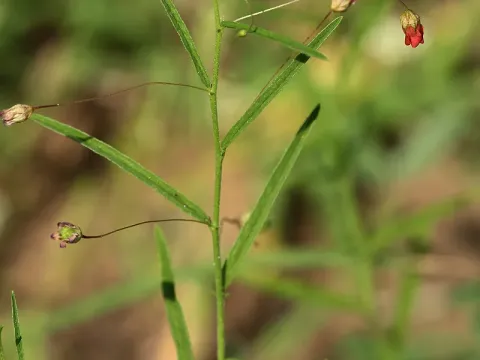
Hermannia modesta
Hermannia modesta
Hermannia modesta is a perennial subshrub belonging to the Malvaceae family. Native to the arid regions of Southern Africa, this plant has evolved to thrive in environments with limited rainfall and high solar radiation, making it a unique candidate for xeriscaping.
What the section contains
Hermannia modesta
The morphology of this plant features a compact, branched structure covered in fine hairs that minimize transpiration. Its root system is robust, designed to penetrate rocky soil in search of moisture, which is a critical adaptation for its survival in desert-like conditions.
Optimal growth requires well-draining, gritty, or sandy soils. Waterlogging is the primary cause of failure, as the plant's roots are highly susceptible to anaerobic conditions caused by heavy, compacted clay substrates that do not allow for air circulation.
Regarding climate, Hermannia modesta demands full sun exposure throughout the day. It is highly heat-tolerant and thrives in temperatures that would stress many other ornamental plants, though it lacks significant frost resistance and requires protection in colder climates.
Maintenance is minimal once the plant is established. Supplemental irrigation is generally unnecessary except during prolonged periods of extreme drought, provided the plant is situated in a location with adequate heat accumulation and proper thermal conditions.
Root rot is the most serious threat to Hermannia modesta, typically caused by excess soil moisture or poor drainage. This fungal condition often leads to rapid collapse of the plant and is difficult to treat once the root system is compromised.
Spider mites are common pests that thrive in the same hot, dry conditions preferred by this plant. Infestations are characterized by fine webbing and stippling on the leaves, which can reduce the vigor of the shrub over time if left untreated.
Powdery mildew can affect the foliage in greenhouse environments where airflow is restricted or humidity is too high. Improving ventilation and maintaining dry foliage surfaces are the most effective management strategies for this disease.
Aphids occasionally target the tender growth points and buds. While rarely fatal, they can distort the shape of the flowers and inhibit the overall aesthetic appeal of the plant, necessitating mild insecticidal soaps if populations increase.
Soil-borne pathogens represent a hidden danger, especially if the plant is propagated in non-sterile media. Using clean, well-draining mineral mixes significantly reduces the risk of root-zone diseases during the early stages of development.