
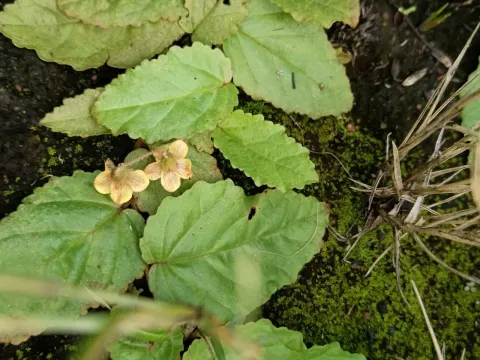
Hermannia depressa
Hermannia depressa
Hermannia depressa is a perennial herbaceous plant belonging to the Malvaceae family. It is recognized for its prostrate growth habit, which allows the plant to form dense, low-growing mats that effectively cover the soil surface.
What the section contains
Hermannia depressa
Native to South Africa, the species is naturally adapted to environments characterized by low rainfall and high solar radiation. Its evolutionary history has made it highly resistant to the environmental stressors typical of arid regions.
The plant requires well-drained, nutrient-poor, or sandy soils to thrive. It performs poorly in heavy, waterlogged substrates, where the risk of physiological stress and root disease becomes significantly higher.
Climatic requirements focus on a warm, sunny environment with low relative humidity. It is best suited for regions with high heat exposure, where it can utilize its deep taproot to sustain itself during extended dry spells.
Botanically, it features small, hardy leaves and bell-shaped flowers, which are typical characteristics for members of the genus Hermannia. The plant is valued for its ability to maintain growth in soils that are often unsuitable for conventional agricultural crops.
The most critical threat to Hermannia depressa is root rot caused by stagnant water in the root zone. Ensuring a high-quality drainage layer or planting on slight slopes is essential for maintaining plant health throughout the season.
Fungal diseases, including various types of leaf spot and powdery mildew, may occur during periods of prolonged high humidity. Proper spacing between individual plants is necessary to promote adequate air circulation and reduce disease pressure.
Spider mites are a common pest during hot, dry summer months. These mites thrive in low-moisture conditions and can damage foliage if not monitored and managed with appropriate horticultural controls.
Aphids occasionally colonize the young, tender growth of the plant. While generally not lethal to mature specimens, heavy infestations can weaken the plant and reduce its aesthetic and physiological vigor.
Soil-borne nematodes can pose a specific challenge in sandy soils where the species naturally thrives. Using healthy plant material and avoiding the overuse of organic matter that harbors pests are key strategies for sustainable cultivation.