
Callianthe darwinii
Callianthe darwinii
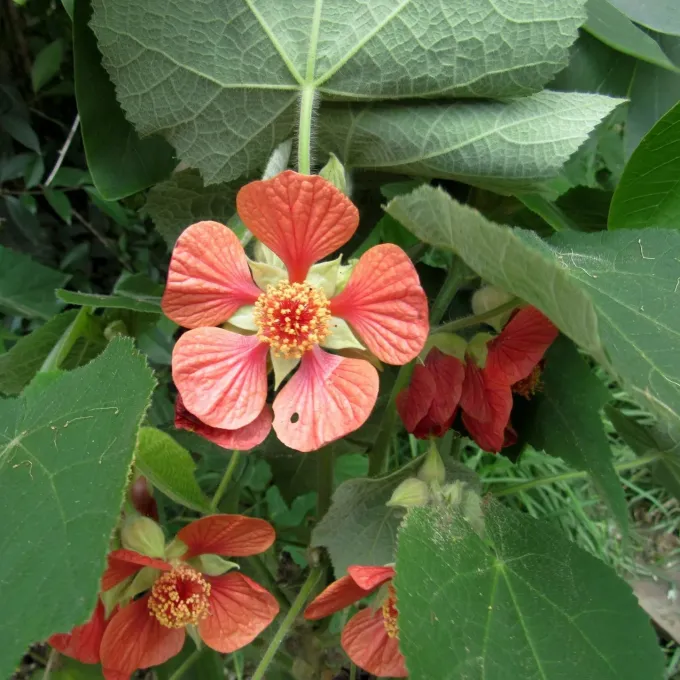
Description
Sowing dates
Sowing Callianthe darwinii is best performed in early spring once the threat of severe frost has passed. Starting seeds in trays under greenhouse conditions ensures higher germination rates compared to direct sowing in the field.
Seeds should be treated with cold stratification for several weeks to mimic natural conditions, which breaks dormancy. Use a well-draining, sterile potting mix with a pH balanced towards neutral for optimal seedling development.
Cover seeds lightly with soil, as light may be required for some varieties to germinate properly. Maintain consistent moisture levels in the growing medium without causing waterlogging, which is detrimental to the developing taproot.
Once seedlings have developed at least two sets of true leaves, they can be pricked out into individual pots. This hardening-off process is crucial before transplanting the young plants into their permanent outdoor locations.
For direct outdoor sowing, ensure the soil is deeply tilled and enriched with compost. Thinning the seedlings early on prevents overcrowding and ensures each plant receives adequate light and airflow.
Growing requirements
Callianthe darwinii is a member of the Malvaceae family, prized for its unique architectural form and vibrant blossoms. Native to the mountainous regions of South America, it thrives in temperate climates with moderate humidity levels.
The plant requires a full-sun location to maximize its blooming potential. However, in regions with very intense summer heat, light afternoon shade is recommended to protect the foliage from scorching and to preserve soil moisture.
Soil quality is paramount; this species demands loose, nutrient-rich soil that is well-aerated. If the soil is naturally heavy, incorporating organic matter such as peat or leaf mold will significantly improve structural health and drainage.
Regular irrigation is necessary throughout the growing season, particularly during the flowering phase. Fertilizer application in late spring with a balanced slow-release formula supports strong stem development and consistent floral displays.
The plant demonstrates a reasonable level of cold tolerance but should be protected from harsh, drying winter winds. A layer of organic mulch around the base helps regulate soil temperature and protects the root system during the dormant period.
Main diseases and pests
The most common pests affecting Callianthe darwinii are aphids and spider mites, which thrive in stagnant, warm air. These insects suck sap from new growth, leading to stunted plants and yellowing leaves if left unchecked.
Fungal issues such as powdery mildew can become a problem in humid or damp conditions with poor air circulation. The appearance of a dusty white coating on leaves indicates an immediate need for better spacing or fungicide treatment.
Integrated Pest Management (IPM) practices, such as introducing beneficial insects like ladybugs, can help control aphid populations naturally. If chemical control is necessary, choose options that are safe for pollinators.
Root rot is a significant risk in poorly drained soils. Maintaining proper drainage and avoiding deep, frequent irrigation in cool weather is the best way to prevent this fatal condition from developing in the root zone.
- Monitor leaf undersides weekly for signs of mite infestation.
- Prune away diseased or dead branches to improve air circulation.
- Avoid over-fertilization, as it promotes soft growth susceptible to pests.