
Trailing abutilon
Callianthe megapotamica
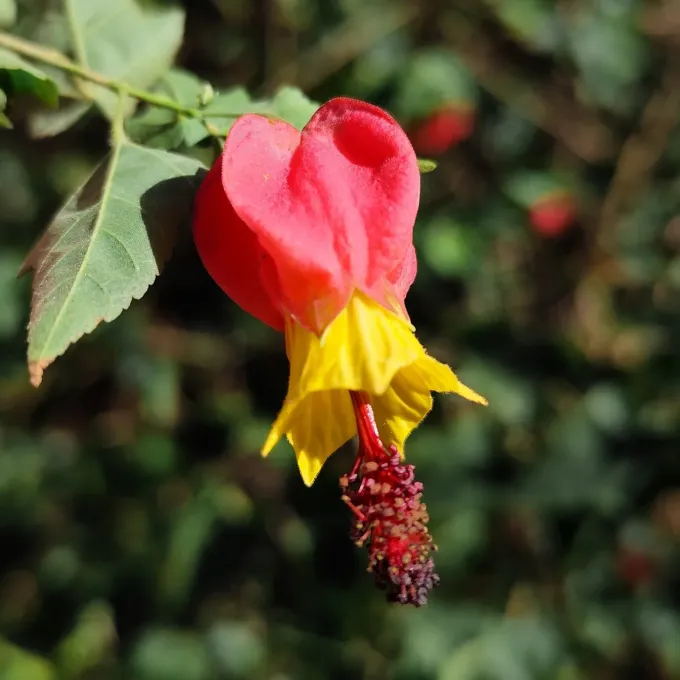
Description
Sowing dates
Propagation of Callianthe megapotamica is most commonly achieved through stem cuttings. The best time for this process is late winter or early spring when the plant begins its active growth phase after the dormant period.
Cuttings should be taken from healthy, non-flowering shoots and placed in a moist, well-draining rooting medium. Providing bottom heat and covering the cuttings with plastic helps maintain the high humidity required for successful root development.
Seed propagation is also a viable method. Seeds should be sown in a light, sterile seed-starting mix and kept at temperatures between 20 and 22 degrees Celsius to ensure uniform germination.
Once seedlings have developed their first set of true leaves, they should be transplanted into individual pots. Careful handling is necessary to protect the delicate root systems during this transition period.
Young plants require consistent light and balanced nutrition to develop a strong structure. Frequent pinching of the growing tips will encourage lateral branching, resulting in a fuller, more aesthetically pleasing plant.
Growing requirements
Trailing abutilon is a member of the Malvaceae family, originating from the tropical regions of South America. It thrives in locations with bright, filtered sunlight, which promotes the continuous production of its signature lantern-like flowers.
The ideal potting substrate is a rich, porous, and well-drained mixture. A blend of peat, loam, and coarse perlite or sand provides the optimal balance between nutrient availability and efficient water drainage.
Humidity is essential for this plant, as it performs poorly in dry environments. Regular misting or the use of a humidity tray is recommended, especially in heated indoor spaces where the air tends to be very dry.
Watering practices must be consistent; the soil should remain moist but never waterlogged. Overwatering is the most frequent cause of root decay, so ensuring proper drainage at the bottom of the container is mandatory.
Temperature management is key for long-term health. The plant prefers moderate temperatures and should be protected from extreme heat, frost, and cold drafts, which can cause significant stress to the foliage and buds.
Main diseases and pests
The most common pests affecting Trailing abutilon include spider mites, whiteflies, and aphids. These insects thrive in warm, dry conditions and can quickly weaken the plant by feeding on the nutrient-rich sap.
Root rot is a severe threat usually caused by overwatering or poor soil drainage. If the substrate remains saturated for too long, the roots will begin to suffocate, leading to yellowing leaves and plant collapse.
Powdery mildew can occur if the plant is kept in an area with stagnant air and insufficient light. This fungal infection manifests as a white, powdery coating on the leaves, which hinders photosynthesis and overall growth.
Prompt intervention is crucial when dealing with any disease or pest infestation. Using horticultural oils or insecticidal soaps can often resolve minor issues without the need for harsh chemical treatments.
- Regular pruning to increase air circulation within the canopy.
- Keeping the foliage clean to discourage pest settlement.
- Monitoring the plant regularly to catch infestations at the early stage.