
Carolina basswood
Tilia caroliniana
Description
Growing requirements
Carolina basswood (Tilia caroliniana) is a prominent tree species belonging to the Malvaceae family. Native to the southeastern United States, it is widely recognized for its ecological importance and aesthetic value in varied natural landscapes.
The tree thrives in moist, well-drained, and nutrient-rich soils. While it exhibits tolerance for various soil types, its growth performance is significantly optimized when planted in deep, loamy soils that maintain consistent moisture throughout the growing season.
Regarding climatic requirements, the species prefers temperate to subtropical environments. It is adapted to areas with moderate winters and warm, humid summers, making it unsuitable for regions experiencing severe and prolonged freezing temperatures.
Agricultural management of Tilia caroliniana involves regular irrigation during the establishment phase. Proper spacing is essential to ensure adequate airflow and sunlight exposure, which prevents the development of fungal pathogens and ensures balanced tree development.
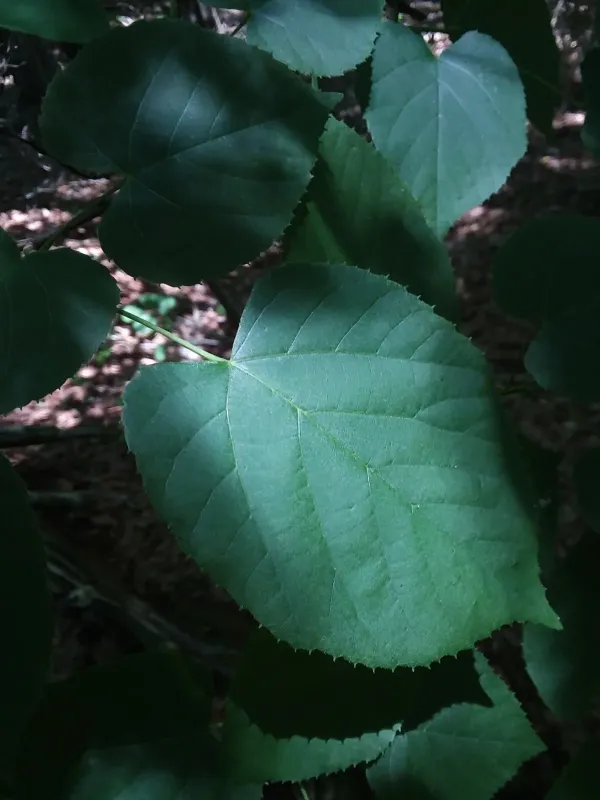
Botanically, it is distinguished by its ovate-to-heart-shaped leaves with a pubescent underside. Its flowers are highly fragrant and serve as a crucial source of nectar for pollinators, contributing to the biodiversity of the local ecosystem.
Main diseases and pests
The health of Carolina basswood is frequently challenged by fungal diseases such as Verticillium wilt. This soil-borne pathogen affects the vascular system, often leading to rapid decline if the trees are stressed or wounded.
Insect pests such as aphids and scale insects are common threats to the tree's vitality. By feeding on sap, these pests deplete the tree's energy reserves and facilitate the growth of sooty mold, which can inhibit photosynthesis on the leaf surfaces.
Japanese beetles represent another potential threat, often stripping foliage during mid-summer. Integrated pest management strategies, including the use of pheromone traps and selective pesticides, are often necessary to maintain the tree's ornamental appearance.
Environmental stress factors, such as prolonged drought or urban pollution, can significantly compromise the tree's defense mechanisms. These factors often lead to secondary infections by wood-boring insects, which can cause permanent structural damage.
Maintenance programs should prioritize sanitation, including the removal of dead or dying limbs to prevent the spread of diseases. A proactive approach to soil nutrition and water management is essential for long-term tree health and resilience.