
Callianthe picta
Callianthe picta
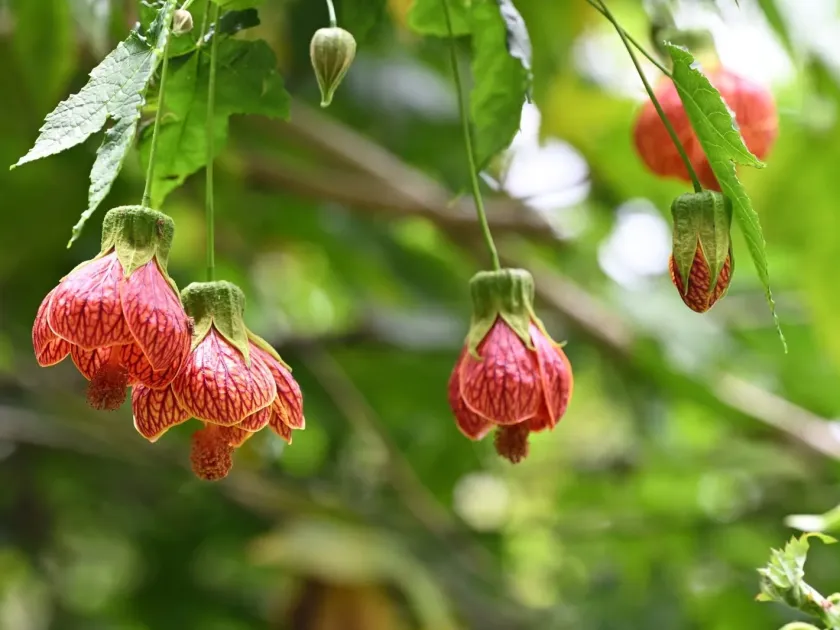
Description
Sowing dates
The sowing process for Callianthe picta begins in early spring, once soil temperatures have consistently reached 15–18 degrees Celsius.
Seeds benefit from a stratification period of several weeks, which enhances germination rates and overall seedling vigor before transplanting.
For container-grown specimens, use a well-draining, lightweight potting mix to ensure the root system develops without oxygen restriction.
Transplanting into the permanent garden site should only occur once the risk of spring frost has completely passed for the season.
Adequate spacing between plants is essential to promote good air circulation, which is a key factor in preventing fungal outbreaks.
Growing requirements
Callianthe picta belongs to the Malvaceae family and thrives best when provided with full sun exposure throughout the growing period.
The ideal growing medium is a fertile, well-draining loamy soil maintained at a neutral to slightly acidic pH level for optimal nutrient uptake.
Consistent irrigation is required during the active growth phase, though it is critical to allow the soil surface to dry slightly between waterings.
Regular application of a balanced liquid fertilizer is recommended to support continuous flowering and maintain rich leaf coloration.
Due to its tropical origins, this plant is best suited for sheltered outdoor locations or greenhouse environments in cooler climatic zones.
Main diseases and pests
Common pests that affect this species include spider mites and aphids, particularly in environments with low humidity and limited air movement.
Fungal issues, such as root rot and leaf spot, are frequently linked to overwatering or poor drainage systems during periods of high humidity.
Whiteflies can pose a significant challenge in greenhouse production, necessitating early intervention to protect the health of the plants.
Implementation of integrated pest management strategies, including the use of botanical insecticides, helps keep pest populations under control.
Frequent monitoring of the plants allows for early detection of stress symptoms, which is vital for maintaining the aesthetic value of the collection.