
Anisodontea hybrids
Anisodontea hybrids
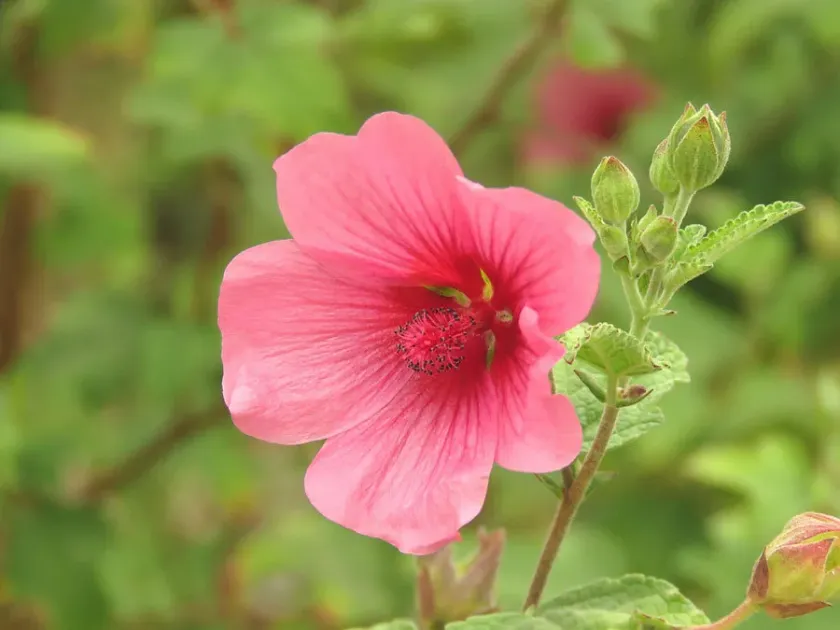
Description
Sowing dates
Anisodontea hybrids, belonging to the Malvaceae family, are best propagated by seeds or semi-hardwood cuttings. Seeds should be sown in a light, well-draining seed-starting mix in early spring.
For optimal germination, keep the trays in a warm environment with temperatures between 18°C and 22°C. Seedlings should be pricked out when they develop their first set of true leaves.
Direct outdoor sowing is only recommended in frost-free regions. For colder climates, the plants must be started indoors and moved outside once all danger of frost has passed.
Cuttings should be taken during the growing season, typically late summer. Treating the base of the cutting with a rooting hormone increases the success rate of propagation.
To encourage bushy growth, pinch the tips of young plants regularly during their first season of growth to promote lateral branching.
Growing requirements
Originating from South Africa, Anisodontea thrives in full sun. Exposure to direct sunlight is essential for the plant to produce its signature profuse flowers.
The soil must be fertile and exceptionally well-drained. These plants are susceptible to root rot if left in waterlogged conditions, so container gardening is often preferred.
While the plants show some drought tolerance once established, they perform best with consistent moisture throughout the growing season, especially in hot weather.
Regular fertilization with a balanced liquid fertilizer is recommended every two weeks to sustain high energy levels for continuous blooming.
As these plants are not frost-hardy, they should be overwintered in a cool, bright greenhouse or a sunny room where temperatures do not drop below 5°C.
Main diseases and pests
Aphids and spider mites are the most frequent pests. They are particularly attracted to plants suffering from heat stress or low ambient humidity.
Powdery mildew can become an issue if the plants are kept in stagnant, humid air. Ensure good spacing between plants to improve airflow and reduce fungal risks.
Root rot caused by Phytophthora or Pythium species is a major threat if soil drainage is inadequate. Always check for drainage holes in containers.
Control measures include using insecticidal soaps for pests and appropriate fungicides for fungal issues. Early detection is key to maintaining plant health.
Sanitizing tools between pruning sessions prevents the spread of pathogens. Keeping the base of the plant free from debris also reduces pest harborages.