
Anisodontea julii
Anisodontea julii
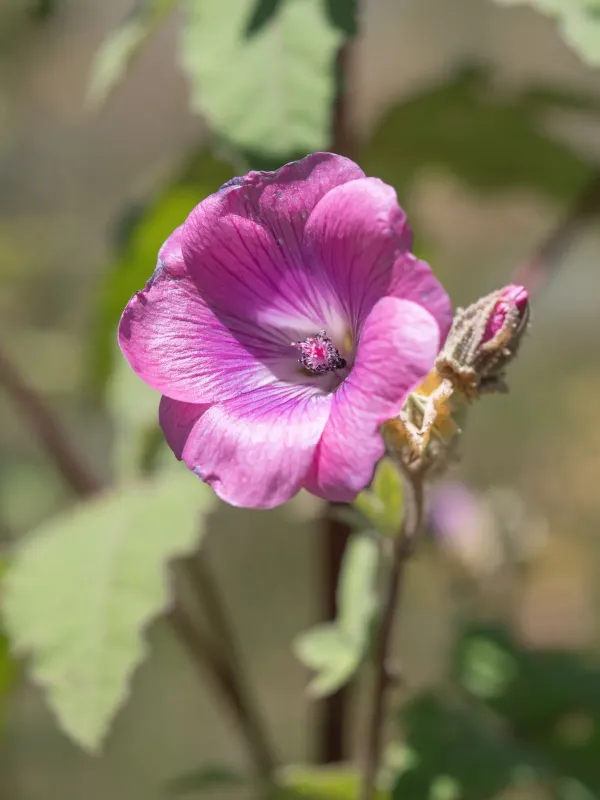
Description
Sowing dates
Anisodontea julii is an evergreen semi-shrub belonging to the Malvaceae family. In agricultural and ornamental practice, it is primarily propagated by seeds or stem cuttings, requiring specific conditions to ensure high-quality plant development during the early stages.
For seed sowing, the optimal period is early spring, typically March or April, using a well-draining seed-starting mix. The seeds should be covered lightly with a thin layer of substrate and kept in a warm environment with temperatures between 18 and 22 degrees Celsius.
Adequate light exposure is critical for seed germination and the healthy development of seedlings. Once the first true leaves have appeared, seedlings should be pricked out into individual pots to provide enough space for root system expansion.
To encourage a bushy growth habit, gardeners should pinch the growing tips of the young plants once they reach a height of approximately 10–15 centimeters. This horticultural technique is essential for achieving the dense, floriferous form characteristic of mature specimens.
Vegetative propagation via cuttings is performed in late summer. Using semi-ripe wood cuttings with at least two nodes, these are placed in a mixture of peat and sand under a plastic cover to maintain high humidity until rooting is successful.
Growing requirements
Anisodontea julii thrives in full sun, requiring at least six to eight hours of direct sunlight daily to produce abundant flowers. Providing a sheltered position, free from strong or cold winds, is vital for the plant's overall health and structural integrity.
The soil must be fertile, rich in organic matter, and possess excellent drainage capabilities. Heavy or waterlogged soils are detrimental to this species, as they frequently lead to root rot and other physiological issues related to oxygen deprivation in the soil.
Regular, moderate watering is necessary during the active growing season. The soil surface should be allowed to dry slightly between watering sessions, preventing the root zone from becoming perpetually saturated, which is a common cause of failure in container culture.
Nutrient supplementation is beneficial during the flowering stage. A balanced, water-soluble fertilizer applied every two weeks helps maintain plant vigor and the intensity of the bloom, ensuring that the plant has enough energy for sustained flowering.
Winter maintenance depends heavily on local climate conditions. In temperate zones where frost is common, Anisodontea julii should be brought indoors or moved to a frost-free greenhouse where temperatures remain between 5 and 12 degrees Celsius.
Main diseases and pests
Spider mites are the most persistent pest for Anisodontea julii, especially in environments with low humidity. These pests feed on the underside of leaves, causing yellowing and webbing, which can quickly weaken the entire plant if left untreated.
Whiteflies can also cause significant damage by extracting sap from tender new growth. Infestations lead to stunted development and the potential spread of viral diseases, making consistent monitoring and the use of insecticidal soap or systemic treatments necessary.
Powdery mildew, a fungal infection identified by a white, flour-like coating on foliage, is common when air circulation is restricted. Managing spacing between plants and improving airflow are the primary methods for preventing this widespread fungal issue.
Root rot is typically associated with poor drainage or overwatering. If symptoms such as leaf wilting and dark, mushy stems appear, the plant must be removed from the pot or site to check for decay and pruned to salvage healthy tissue.
- Regular deadheading promotes continuous flower production throughout the season.
- Sanitation, such as removing fallen debris, helps prevent the overwintering of pathogens.
- Consistent air movement is key to keeping fungal outbreaks at bay.