
Anisodontea malvastroides
Anisodontea malvastroides
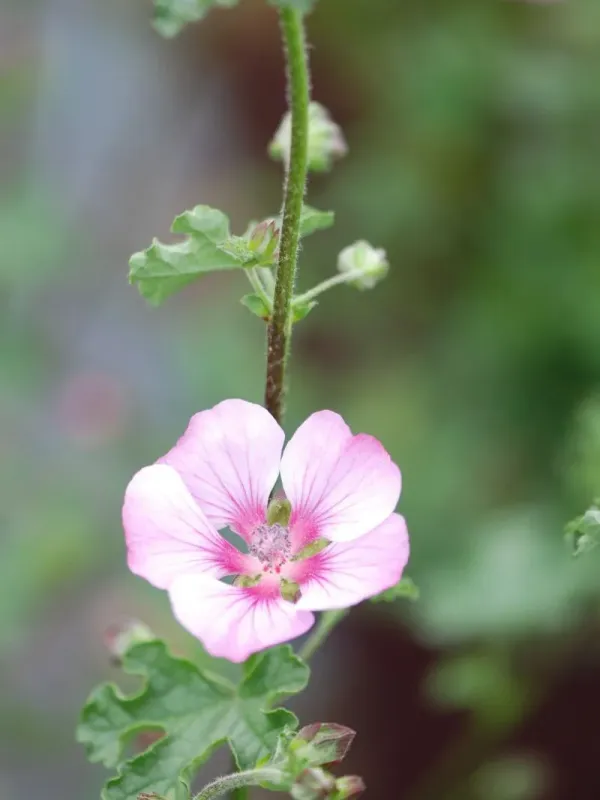
Description
Sowing dates
Anisodontea malvastroides is a heat-loving perennial that typically requires starting from seeds in a protected environment during late winter or early spring in temperate regions.
Successful germination requires a nutrient-rich, well-draining substrate kept at a stable temperature of 20–22 degrees Celsius until the seedlings are established.
Pricking out the seedlings occurs once the first pair of true leaves develops, which encourages the root system to strengthen before the transplanting phase begins.
Transplanting into the garden must be delayed until all risk of frost has passed, as the plant is highly susceptible to cold damage and stunted growth from low temperatures.
Propagation through semi-hardwood cuttings in late summer is another viable method for maintaining plant populations, provided the humidity is kept high during the rooting process.
Growing requirements
The plant thrives in full sun exposure, which is necessary to promote continuous blooming and maintain the compact, vigorous growth habit typical of the species.
Soils should be loose and fertile, with an emphasis on excellent drainage, as the species performs poorly in waterlogged conditions that can cause root rot.
Regular irrigation is required throughout the growing season, though the plant shows moderate drought tolerance once it has fully developed its root system in the ground.
As a member of the Malvaceae family, Anisodontea benefits from periodic applications of balanced fertilizers to support its long-lasting flowering cycle.
Pruning is essential for maintaining the aesthetic shape of the plant, as it encourages dense branching and prevents the stems from becoming sparse over time.
Main diseases and pests
Common pests affecting this crop include aphids and spider mites, which can cause significant stress to the foliage if left uncontrolled during hot, dry weather periods.
Powdery mildew is a prevalent fungal issue that arises when air circulation is poor, particularly in crowded planting zones or areas with high ambient humidity.
Root rot is the primary threat in poorly managed soils; therefore, ensuring proper soil aeration and avoiding excessive watering is critical for plant longevity.
Integrated pest management strategies should be employed, utilizing both preventive sanitation measures and appropriate chemical controls if infestations reach economic thresholds.
Routine inspection of the leaf underside is recommended to detect early signs of pest colonies, allowing for timely intervention before the plant's health is severely compromised.