
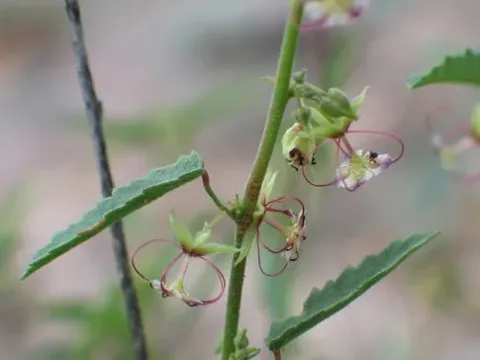
Ayenia
Ayenia
The genus Ayenia belongs to the Malvaceae family, showcasing a diverse range of shrubby and subshrub species. These plants are primarily native to the tropical and subtropical regions of the Americas, thriving in diverse ecological niches.
What the section contains

Ayenia
Cultivation of Ayenia requires well-draining soil structures, mimicking the rocky or sandy substrates found in their native habitats. Proper aeration of the root system is essential to prevent physiological stress caused by soil compaction.
As light-demanding plants, Ayenia species require full sun exposure to maintain compact growth and induce regular flowering. Insufficient light levels often result in weak, etiolated stems that lack the typical woody structure of the genus.
The plant is highly adapted to arid environments, making it an excellent candidate for water-wise landscaping. While drought-tolerant, supplemental irrigation during the establishment phase ensures more robust growth and development.
Botanical identification is often based on the unique structure of the androecium and gynoecium within the small flowers. The foliage is typically petiolate with serrated margins, reflecting typical features of the Malvaceae family adaptation.
Ayenia is susceptible to pests such as spider mites, especially when cultivated in environments with low humidity and high temperatures which promote rapid mite reproduction.
Root rot pathogens are a primary threat to the longevity of the plant in cultivation, particularly when drainage systems fail or irrigation frequencies are not adjusted seasonally.
Scale insects may infest the stems, extracting plant sap and leading to reduced vigor and the potential development of sooty mold on the leaves and branches.
Fungal infections, including leaf spot diseases, can occur if foliage remains wet for extended periods, necessitating the use of drip irrigation or careful watering techniques.
Integrated pest management strategies, focusing on biological controls and proper spacing to ensure air circulation, are recommended for maintaining healthy plant populations.