
Anisodontea hypomandarum
Anisodontea hypomandarum
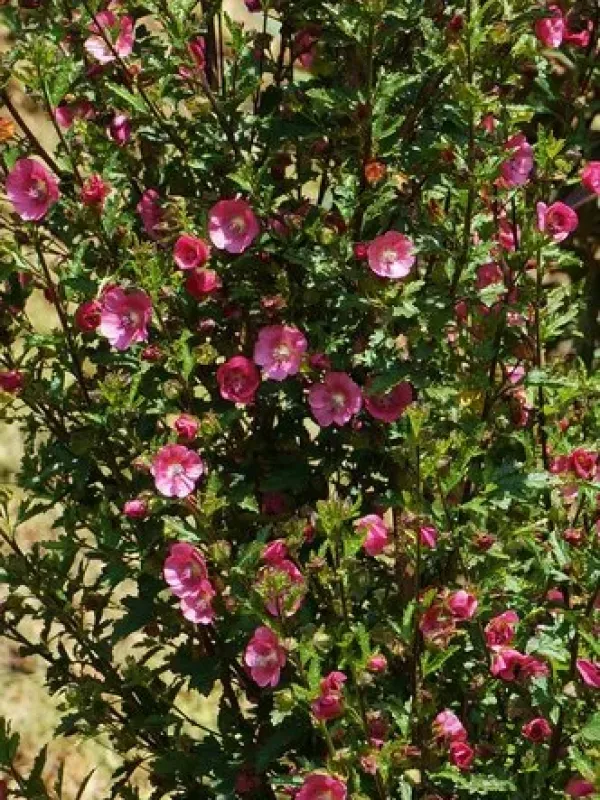
Description
Growing requirements
Anisodontea hypomandarum is a perennial evergreen subshrub belonging to the Malvaceae family. It is recognized for its elegant, deeply lobed foliage and attractive, mallow-like flowers that bloom in abundance under favorable conditions.
Originating from South Africa, this plant thrives in warm climates and requires full sun to partial shade for optimal growth. It is sensitive to frost, making it ideal for container gardening in temperate regions where it can be sheltered indoors during winter.
The cultural requirements demand well-draining, fertile, and slightly acidic to neutral soil. Proper drainage is critical to prevent waterlogging, which the plant cannot tolerate, as it leads to root decay and overall loss of vitality.
Agrotechnical maintenance includes consistent watering during the growing season while ensuring the soil dries out slightly between waterings. Regular pruning is essential to maintain a bushy habit and promote the production of new flower-bearing wood.
In terms of хозяйственное usage, Anisodontea hypomandarum is a popular choice for decorative landscaping, particularly in Mediterranean-style gardens, patios, and botanical conservatories, prized for its lengthy and prolific blooming cycle.
Main diseases and pests
Aphids represent a primary pest challenge for this species, often clustering on the terminal shoots and developing flower buds. Prompt identification and the use of insecticidal soaps or horticultural oils can effectively manage these populations.
Rust diseases, characterized by orange-brown pustules on the leaves, can occur when ambient humidity remains too high for extended periods. Improving airflow and ensuring foliage stays dry during irrigation are key preventative measures.
Spider mites are common in indoor or greenhouse settings where the air is dry and warm. Vigilant monitoring of the leaf undersides for signs of webbing or chlorotic spots is necessary for early intervention against these microscopic pests.
Powdery mildew can affect the plants during temperature fluctuations, leading to a white, dusty fungal growth on leaves. Maintaining plant health through proper nutrition and avoiding crowded planting conditions helps reduce the incidence of this fungus.
Root rot is the most common physiological issue caused by poor drainage or overwatering. By using a porous potting mix and allowing the soil surface to dry between waterings, growers can avoid the conditions that favor anaerobic soil pathogens.