
Torenia crustacea
Torenia crustacea
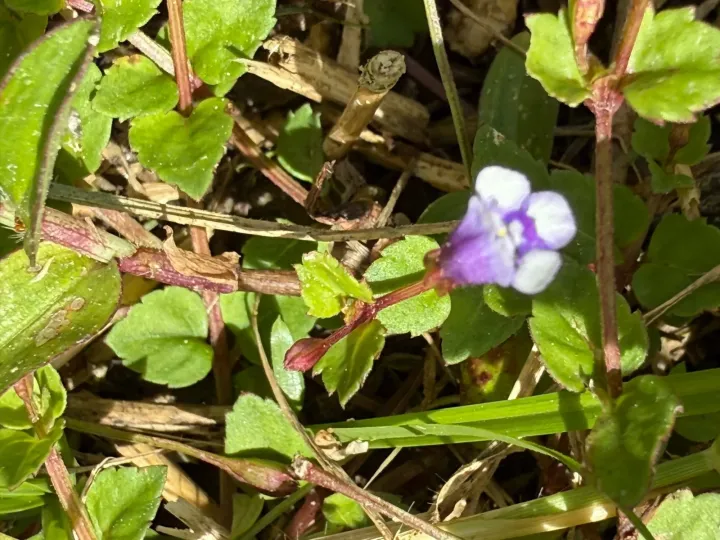
Description
Sowing dates
Torenia crustacea, currently recognized as Lindernia crustacea, is a small herbaceous annual plant belonging to the Linderniaceae family. It is widely distributed across tropical regions of Asia, Africa, and the Pacific Islands, where it thrives in humid environments.
The propagation of this crop is primarily seed-based. For cultivation, seeds are sown in trays filled with a sterile, fine-textured seed-starting mix in late winter. Because the seeds are minute, they are scattered on the surface and pressed gently into the substrate without covering.
Germination requires consistent moisture and a steady temperature between 20°C and 25°C. High humidity levels are maintained by covering the trays with clear plastic or glass, ensuring the light reaches the seeds, which is essential for uniform emergence.
Seedlings are ready for pricking out when they develop the first pair of true leaves. They are transferred into individual pots to avoid root competition, ensuring each plant has enough space for proper development before being hardened off.
Transplanting into the permanent location occurs after all frost risks have passed. In tropical agriculture, it is often sown directly in well-prepared, fine-tilled soil, though container cultivation remains more popular for controlled environments.
Growing requirements
The crop prefers partial shade or dappled sunlight. Excessive direct heat can scorch the delicate foliage, while insufficient light leads to leggy growth and reduced flowering potential. Maintaining a balanced light regime is key to high-quality production.
Soil requirements involve a rich, well-draining medium with a slightly acidic to neutral pH level. Organic matter, such as compost or well-rotted manure, is incorporated into the soil to improve structure and water-holding capacity, which is critical for this moisture-loving species.
Water management is the most intensive part of the agrotechnology. The soil should be kept consistently moist but not waterlogged. In field production, drip irrigation systems are highly recommended to deliver water directly to the root zone without damaging the leaves.
Nutrient supplementation is provided through balanced liquid fertilizers during the rapid growth phase. Nitrogen levels should be moderate to promote structural growth, while phosphorus and potassium are essential for supporting the extensive flowering period characteristic of this genus.
Climate control is vital, as the plant is sensitive to cold stress. Temperatures dropping below 15°C significantly inhibit metabolic processes, potentially leading to yellowing of foliage and root system decay if the environment remains damp and cold.
Main diseases and pests
Powdery mildew is a prevalent disease in Lindernia crustacea, particularly in crowded planting scenarios with poor airflow. Prevention includes proper plant spacing and applying preventative fungicides as soon as the first symptoms are spotted.
Root rot caused by Oomycetes like Pythium species poses a significant threat during periods of excessive rainfall or over-irrigation. Ensuring adequate soil drainage and sanitizing tools before handling plants are primary preventative steps.
Aphids represent a common pest threat, sucking the vitality from tender growing tips. Integrated pest management, including the introduction of natural predators like ladybugs or the use of neem-based oils, helps in maintaining healthy crops without heavy chemical residue.
Spider mites are notorious for attacking this crop during dry, hot spells. Frequent misting and maintaining appropriate humidity levels serve as effective deterrents, while acaricides are reserved for acute infestations to ensure the plant's health.
Nematode infestations in the soil can cause stunted growth and chlorosis. To mitigate this risk, farmers implement crop rotation cycles and soil sterilization methods, especially when the field has a history of susceptible vegetation usage.