
Lindernia serrata
Lindernia serrata
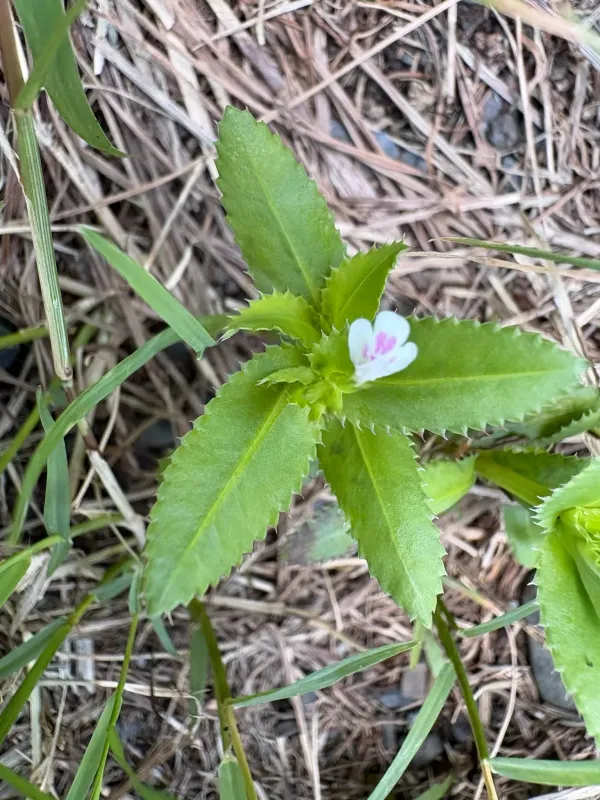
Description
Sowing dates
Lindernia serrata is a herbaceous plant belonging to the Linderniaceae family. It is widely distributed across tropical and subtropical regions, where high humidity and warm temperatures create an ideal environment for its biological cycle.
The plant reproduces primarily through small, light seeds that can easily be dispersed by irrigation water or agricultural equipment. This efficient dispersal mechanism contributes to its presence in various wetland habitats and cultivated fields.
Germination typically occurs when soil moisture levels are consistently high and ambient temperatures remain within the favorable range for tropical flora. Once established, it can rapidly form dense mats, particularly in low-lying areas of a field.
In an agricultural context, timing is essential for management. Identifying the early stages of the life cycle is crucial to prevent the plant from establishing dominance over the primary crop, especially in rice-growing environments.
The species exhibits strong adaptation to moist environments, allowing it to complete its life cycle alongside crops that require frequent irrigation, making it a significant focus for field management programs.
Growing requirements
Lindernia serrata thrives in wet conditions and is frequently observed in paddies or flooded plains. Its reliance on water makes it a specialized plant that prefers saturated soil profiles over well-drained agricultural lands.
The soil type preferred by this species typically includes clay-loam or silty textures, which possess high water retention capacities. These conditions allow the plant to maintain turgor pressure even in challenging environmental circumstances.
Temperature plays a key role in growth, with an optimal range between 20°C and 30°C. In these conditions, metabolic rates are maximized, supporting rapid development of foliage and flower production throughout the growing season.
While Lindernia serrata is photophilic, it possesses moderate shade tolerance. However, it displays the most vigorous growth in locations with unobstructed light, which supports the photosynthetic process needed for its rapid expansion.
Agronomic control often involves regulating water levels. By managing irrigation schedules to avoid prolonged flooding, growers can create a less favorable environment for the proliferation of this specific plant species.
Main diseases and pests
Common agricultural pests and pathogens may affect Lindernia serrata, though it is often resilient due to its natural adaptation to high-moisture environments. Fungal infections can occur during periods of extreme humidity and stagnant air.
Insects that feed on foliage or stems can impact the health of the plant, but these interactions rarely lead to significant population declines without human intervention. The primary concern is the plant’s role as a competitor with crops.
Chemical control is the most frequent management strategy. Selective herbicides, particularly those targeted at broad-leaf weeds in aquatic or semi-aquatic crops, are highly effective in reducing the impact of Lindernia serrata on yields.
Cultural control methods, such as manual weeding or mechanical disturbance of the soil, are effective in small-scale settings to prevent the spread of mature plants. Integrated pest management (IPM) is recommended for larger areas.
- Monitor field moisture levels closely.
- Apply herbicides during the early vegetative phase.
- Improve crop rotation practices to reduce seed bank longevity.
- Clean equipment to avoid cross-field contamination.