
Lindernia grandiflora
Lindernia grandiflora
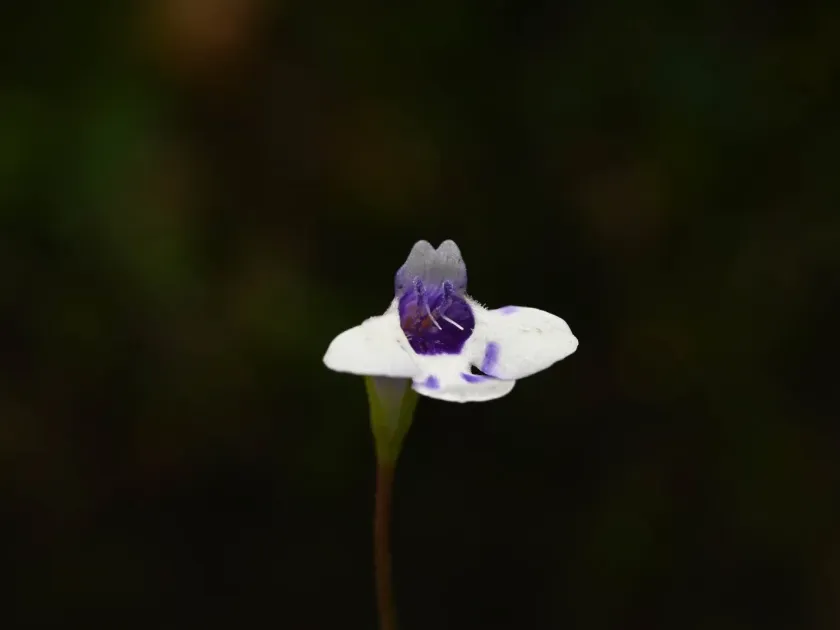
Description
Growing requirements
Lindernia grandiflora is a small, creeping herbaceous plant belonging to the Linderniaceae family. It is native to tropical regions where it thrives in moist, tropical climates and well-lit environments.
The plant is widely recognized for its delicate flowers and prostrate growth habit, which allows it to form dense carpets. Its stems are flexible and node-rooting, facilitating its rapid expansion in suitable habitats.
Optimal growth requires consistent warmth, typically between 20°C and 25°C. The species is highly sensitive to cold, and frost exposure often leads to complete loss of the aerial plant parts.
Soil requirements focus on high organic matter content, moisture retention, and excellent drainage. The substrate should be slightly acidic to neutral to ensure the availability of essential micro-nutrients.
In terms of light, the plant prefers bright, indirect sunlight. If grown in containers or aquariums, supplemental lighting may be necessary to maintain compact growth and vibrant leaf coloration.
Main diseases and pests
Root rot and stem necrosis are the most significant threats to Lindernia grandiflora, often triggered by over-irrigation or lack of airflow. Maintaining a balanced moisture level is crucial.
Pests, particularly aphids and spider mites, are common in indoor and greenhouse environments. These insects thrive in warm, dry air, which contradicts the plant's natural preference for high humidity.
Effective management involves manual monitoring and the use of integrated pest management strategies. Removing affected plant parts promptly can prevent the spread of infestations or fungal infections.
Preventative fungicide treatments may be necessary during periods of high humidity or poor ventilation to avoid outbreaks of powdery mildew on the foliage.
Regular maintenance, including thinning out overgrown patches, helps increase airflow around the base of the plant, significantly reducing the risk of disease colonization.