
Torenia courtallensis
Torenia courtallensis
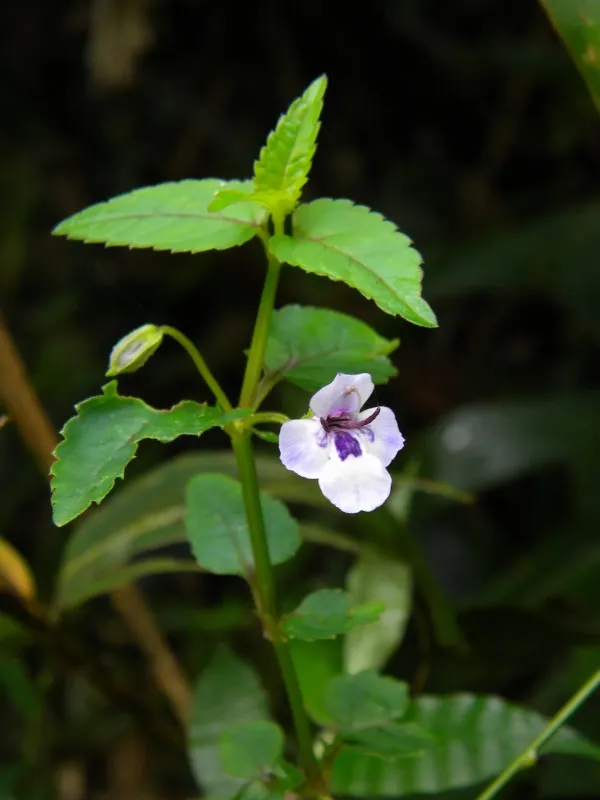
Description
Sowing dates
Sowing Torenia courtallensis seeds is best performed in late winter or early spring, approximately 10 to 12 weeks before the last frost date. Due to their small size, seeds should be surface-sown on moist seed-starting mix and pressed gently to ensure proper soil contact.
The optimal germination temperature ranges between 22 and 24 degrees Celsius. It is crucial to cover the seed tray with plastic or glass to maintain high humidity levels, which significantly improves the success rate of germination.
Once seedlings have developed two sets of true leaves, they should be pricked out and transplanted into individual pots. Careful handling is necessary at this stage to avoid damaging the delicate root systems of the young plants.
Hardening off is a vital step before moving the plants outdoors. Gradually exposing the seedlings to lower temperatures and natural light over a two-week period helps them acclimatize, reducing transplant shock.
Final transplanting into the garden should only occur after all threats of frost have passed. Torenia is highly sensitive to cold, and even minor temperature drops can significantly stunt its growth or cause plant death.
Growing requirements
Belonging to the Linderniaceae family, Torenia courtallensis thrives in partial shade. While it prefers bright, filtered light, direct sun should be avoided to prevent leaf scorch, especially in hot, dry climates.
The ideal soil for this species is nutrient-rich, humus-based, and well-draining. Maintaining an acidic to slightly acidic soil pH between 6.0 and 6.5 will promote healthy foliage and abundant bloom production.
Water management is critical for this culture, as it originates from moist tropical environments. Keep the soil consistently moist but never waterlogged to ensure the plant's health and prevent root issues.
Regular fertilization is required to support continuous flowering throughout the growing season. A balanced liquid fertilizer applied every two weeks provides the necessary macronutrients for steady development.
In addition to watering, maintaining high ambient humidity is beneficial. If grown in pots, Torenia courtallensis excels in hanging baskets or containers where the trailing habit can be showcased effectively.
Main diseases and pests
Powdery mildew is a frequent threat when airflow is restricted and humidity is too high. Improving spacing and air circulation around the plants is the most effective preventative measure against this fungal infection.
Spider mites are common pests that thrive in dry environments. Monitoring the undersides of leaves and maintaining optimal humidity levels are key strategies to prevent an infestation from getting out of hand.
Root rot is often the result of poor drainage or overwatering during cooler weather. Ensure that containers have adequate drainage holes and allow the top layer of soil to dry slightly between waterings.
Aphids can cause significant damage to new growth, leading to curled leaves and weakened plants. Early detection and the application of appropriate insecticidal soap or systemic treatments can manage these populations.
Sanitation practices, such as removing debris and dead foliage from the growing area, help reduce the risk of disease transmission and provide a healthier environment for the Torenia to flourish.