
Lindernia microcalyx
Lindernia microcalyx
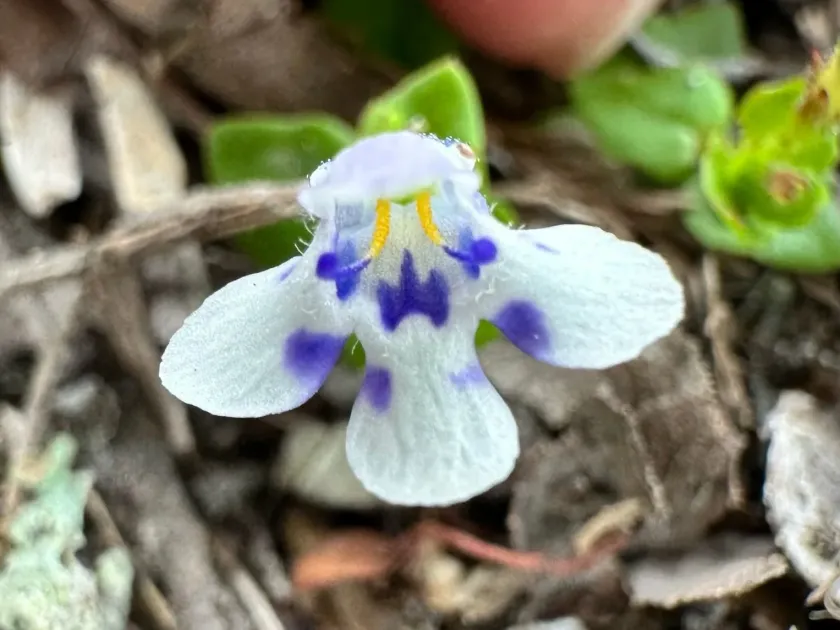
Description
Sowing dates
Lindernia microcalyx is a botanical species belonging to the Linderniaceae family. It is primarily recognized as a wetland plant that thrives in moisture-rich environments, making its cultivation unique compared to standard field crops.
Propagation is typically initiated through seeds sown on a finely textured, damp substrate. Due to the minute size of the seeds, they require surface sowing to ensure adequate light exposure for germination.
The optimal sowing time begins in early spring, synchronized with rising daylight hours. Maintaining a greenhouse-like environment is essential during the initial stages of plant development.
Temperature control is a critical agronomic factor; the environment must be held between 22 and 25 degrees Celsius to achieve consistent germination rates across the planting tray.
Once seedlings achieve sufficient size, they undergo a hardening-off process. This gradual transition prepares the young plants for transplanting into their permanent growing location.
Growing requirements
The success of Lindernia microcalyx production depends heavily on the maintenance of a constant water supply. The soil moisture content must be high enough to simulate its natural riparian habitat.
Lighting requirements are specific: the plants require intense but diffused sunlight. Excessive direct solar radiation can lead to rapid dehydration and tissue damage.
Soil quality should lean toward a neutral pH range, enriched with organic matter to support rapid development. Aeration of the growing medium is also necessary to prevent root suffocation.
Ambient humidity levels should remain above 70%. In arid climates, the use of automated misting systems is recommended to maintain the necessary atmospheric moisture.
Regular monitoring of mineral levels in the substrate ensures that the plants receive adequate nutrition without the risk of salt accumulation, which is common in constant-moisture systems.
Main diseases and pests
The most common health threats to this species are fungal infections, specifically those favored by high humidity and stagnant air. Pathogens such as Pythium can cause severe root damage if the soil lacks proper aeration.
Pests, particularly aphids and spider mites, can become problematic if the greenhouse environment becomes too warm or dry. Early detection is crucial to preventing an outbreak.
Mechanical damage to the foliage can lead to bacterial infections, which spread rapidly in the crowded conditions often found in professional nursery settings.
Effective management requires a combination of cultural practices, such as proper spacing, and the application of bio-fungicides to ensure plant vigor.
- Implementing strict sanitation protocols for all tools.
- Ensuring consistent vertical air movement in the growing area.
- Applying prophylactic bio-control agents against pests.
- Removing any decaying organic debris from the planting surface.