
Round-leaved lindernia
Lindernia rotundifolia
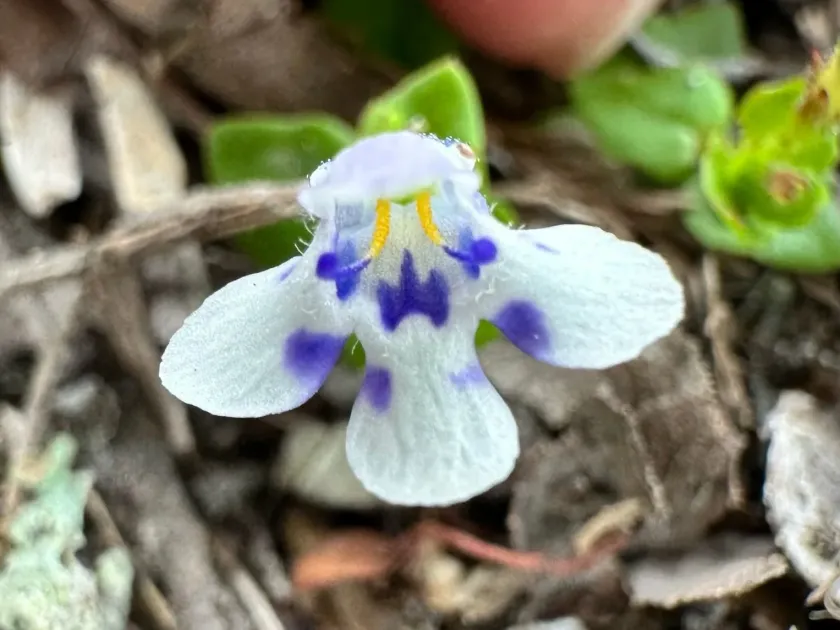
Description
Growing requirements
Round-leaved lindernia (Lindernia rotundifolia) is a perennial herbaceous plant belonging to the Linderniaceae family. It is native to the tropical regions of Asia, typically inhabiting swampy landscapes, marshy areas, and the edges of tropical water bodies.
Botanically, the plant is characterized by its small, rounded, oppositely arranged leaves that grow along creeping or ascending stems. The overall structure creates a lush, mat-like growth habit, which is highly valued for its aesthetic appeal in specialized aquatic farming.
The climate requirements include high ambient humidity and constant access to moisture. As a tropical species, it thrives in environments where temperatures remain consistently between 22 and 28 degrees Celsius, avoiding any exposure to frost or sudden cold snaps.
Regarding soil, it prefers nutrient-dense, slightly acidic substrates. Effective cultivation requires consistent hydration; the soil should never be allowed to dry out, as the plant's root system is specialized for constant water absorption in wetland environments.
Agricultural management involves regular pruning to encourage bushy growth and periodic nutrient supplementation. Micronutrients, especially iron, are essential to maintain the vibrant green coloration of the foliage and ensure the long-term health of the crop.
Main diseases and pests
Typical plant health threats include fungal infections, which often occur when environmental conditions are too stagnant or humidity levels are poorly regulated. Improving airflow and maintaining water quality are the primary defenses against such pathogens.
Pests such as aphids or spider mites may occasionally infest the plant, particularly if it is being cultivated in terrestrial or greenhouse settings. Integrated pest management, focusing on biological controls and regular inspections, is recommended to ensure robust growth.