
Lindernia hyssopoides
Lindernia hyssopoides
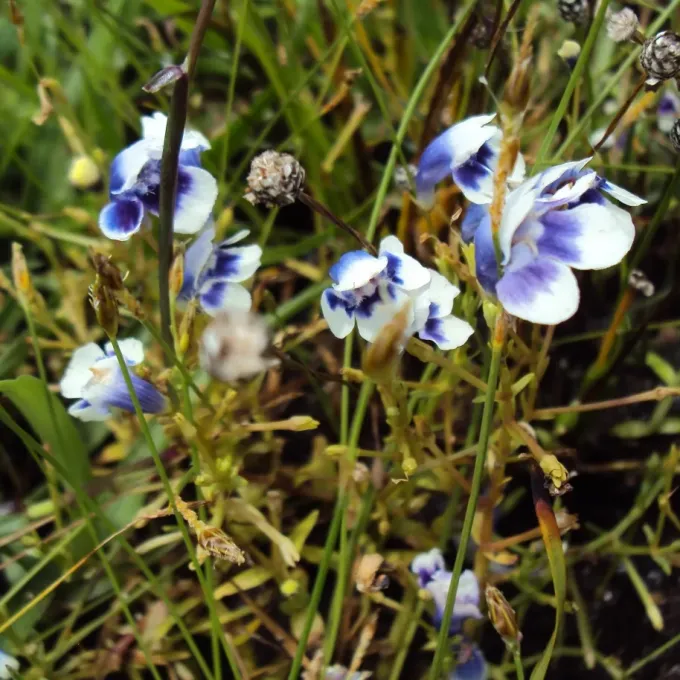
Description
Growing requirements
Lindernia hyssopoides is a herbaceous plant species belonging to the Linderniaceae family. It is native to various regions of South and Southeast Asia, where it predominantly grows in wetlands, flooded fields, and around the margins of tropical water bodies.
The plant features slender, erect stems that can reach heights of up to 30 centimeters. Its leaves are narrow and linear, resembling those of hyssop, from which its specific epithet is derived. The root system is relatively shallow, adapted to thrive in soft, water-logged soils.
Regarding climate requirements, this crop demands warm conditions with temperatures ranging between 20°C and 30°C. It is extremely sensitive to moisture levels and requires constant soil hydration to maintain active vegetative growth and flower production.
Soil or growing medium should be rich in organic matter and retain moisture effectively. While often considered a weed in intensive rice farming, Lindernia hyssopoides has potential applications in water gardening and aquaculture due to its ability to survive in partially submerged conditions.
In terms of agricultural techniques, the plant thrives in hydroponic settings or saturated soil beds. Regular fertilization with balanced nutrients is recommended, especially in controlled greenhouse environments, to ensure optimal leaf development and overall plant vitality.
Main diseases and pests
The main threats to Lindernia hyssopoides include various root rot pathogens that proliferate in stagnant, poorly oxygenated water. Implementing proper water filtration and circulation systems is essential for preventing disease outbreaks in large-scale cultivation.
Pests such as aphids and small mites can damage the tender foliage if the air humidity is not sufficiently high. Growers should employ integrated pest management strategies to maintain plant health without relying exclusively on chemical insecticides.