
Lindernia parviflora
Lindernia parviflora
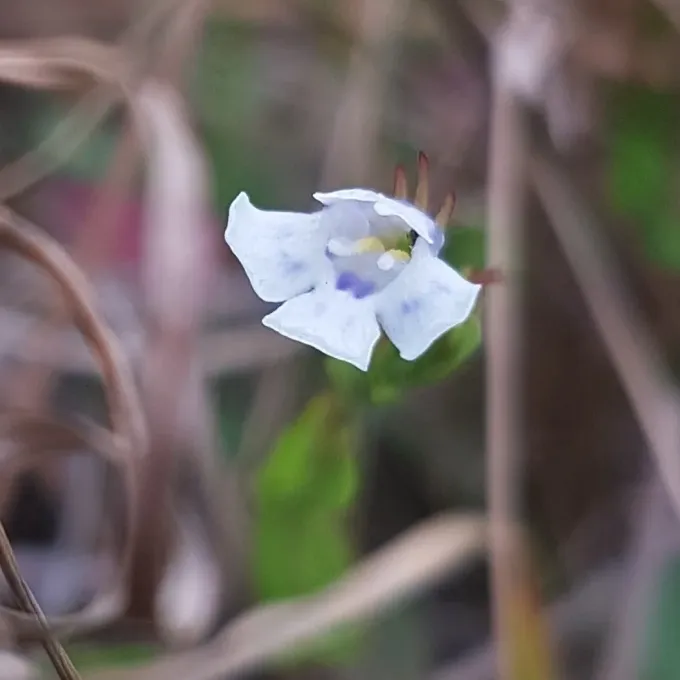
Description
Growing requirements
Lindernia parviflora is a herbaceous plant species belonging to the Plantaginaceae family. In an agricultural context, it is typically categorized as a weed that colonizes wetlands, irrigation ditches, and paddy fields, where it thrives alongside high-value aquatic crops like rice.
The plant demonstrates significant adaptation to high-moisture environments. It thrives in tropical and subtropical climates where humidity is high, and water tables remain near or above the soil surface for extended periods, providing a consistent supply of nutrients and moisture.
Its botanical structure includes a creeping or decumbent stem with opposite, entire leaves. This growth form allows the plant to form dense mats across saturated soil, effectively outcompeting other seedlings for sunlight. Its root system is shallow but highly developed, allowing for rapid nutrient uptake.
Regarding soil requirements, Lindernia parviflora prefers nutrient-rich substrates with a near-neutral pH. The plant's ability to propagate via seeds and vegetative nodes makes it a persistent presence in agricultural landscapes, requiring proactive management to prevent significant yield losses in surrounding crops.
While not a primary crop, understanding its biology is crucial for agronomic professionals. Managing this species involves disrupting its preferred ecological niches, which often includes precise water management and the use of targeted agricultural practices to maintain field health.
Main diseases and pests
Common threats to Lindernia parviflora populations include fungal pathogens that exploit high humidity to infect the foliage and stems. Such infections often become prevalent when plant density is high, leading to significant die-back of the weed patches.
Pests that frequently impact this species include various sap-sucking insects, such as leafhoppers, which can cause significant stress. These insects are often of concern to farmers, as they may act as vectors for various plant viruses that can jump from weeds to target crops.
To mitigate the impact of this species on agriculture, mechanical cultivation is a primary control strategy. Disrupting the soil surface during the early stages of weed development effectively prevents the establishment of the plant's shallow root system, reducing the need for chemical intervention.
Chemical control focuses on the use of herbicides suited for the specific moisture conditions of the site. It is vital to employ products that have minimal impact on the local water quality while remaining effective against the resilient nature of this plant's vegetative structure.
Integrated pest management strategies are recommended to keep populations in check. By combining water level fluctuations, crop rotation, and judicious herbicide use, agricultural professionals can effectively manage Lindernia parviflora and protect the yield potential of their primary crops.