
Lindernia dubia
Lindernia dubia
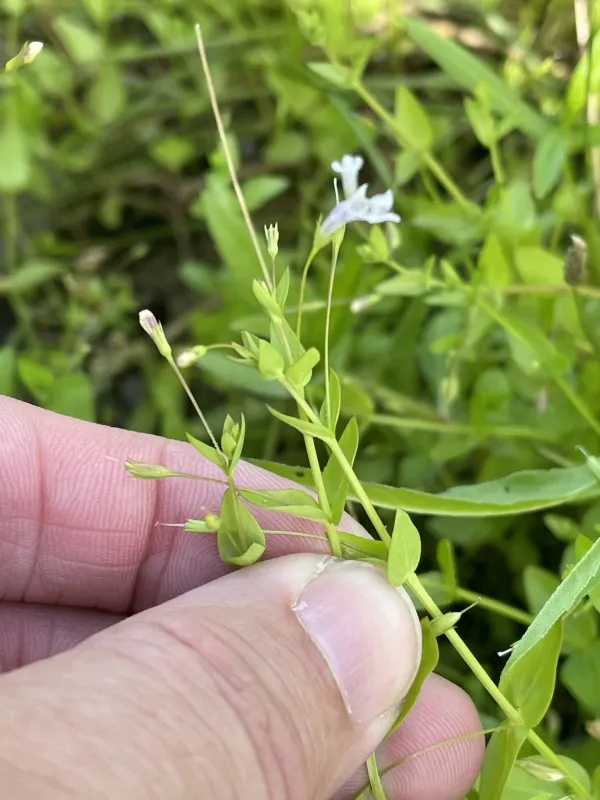
Description
Sowing dates
Lindernia dubia is not a cultivated agricultural crop; instead, it is recognized as a significant weed, particularly in flooded rice production systems.
The weed propagates primarily through seeds that are easily transported by irrigation water across different fields.
Germination typically occurs when water temperatures rise, often coinciding with the early stages of rice seedling establishment.
Effective agricultural management requires early-season intervention to prevent the establishment of dense weed mats.
Integrated weed management strategies are necessary to minimize the impact on yield during the critical crop growth phase.
Growing requirements
This species belongs to the family Linderniaceae and is known for its ability to thrive in saturated soil conditions.
Native to North America, the plant has successfully colonized various wetland environments and artificial irrigation systems worldwide.
Its botanical features include delicate stems and small, light-colored flowers that develop in the leaf axils.
The plant demonstrates a preference for sunny, moist habitats where competition from other submerged vegetation is limited.
It adapts well to various soil types, ranging from nutrient-rich silts to heavier clay soils found in rice paddies.
Main diseases and pests
Lindernia dubia poses a risk of yield loss by competing for essential nitrogen and other nutrients needed by the primary crop.
Chemical control involving selective herbicides is the standard practice for managing infestations in large-scale agriculture.
The plant is resilient and lacks major natural pests that could significantly suppress its population density in the field.
Disease management is usually focused on the primary crop, as this weed often serves as a vector for various agricultural pests.
- Physical removal from irrigation channels
- Proper leveling of field surfaces
- Water management and deep flooding
- Use of certified weed-free rice seeds